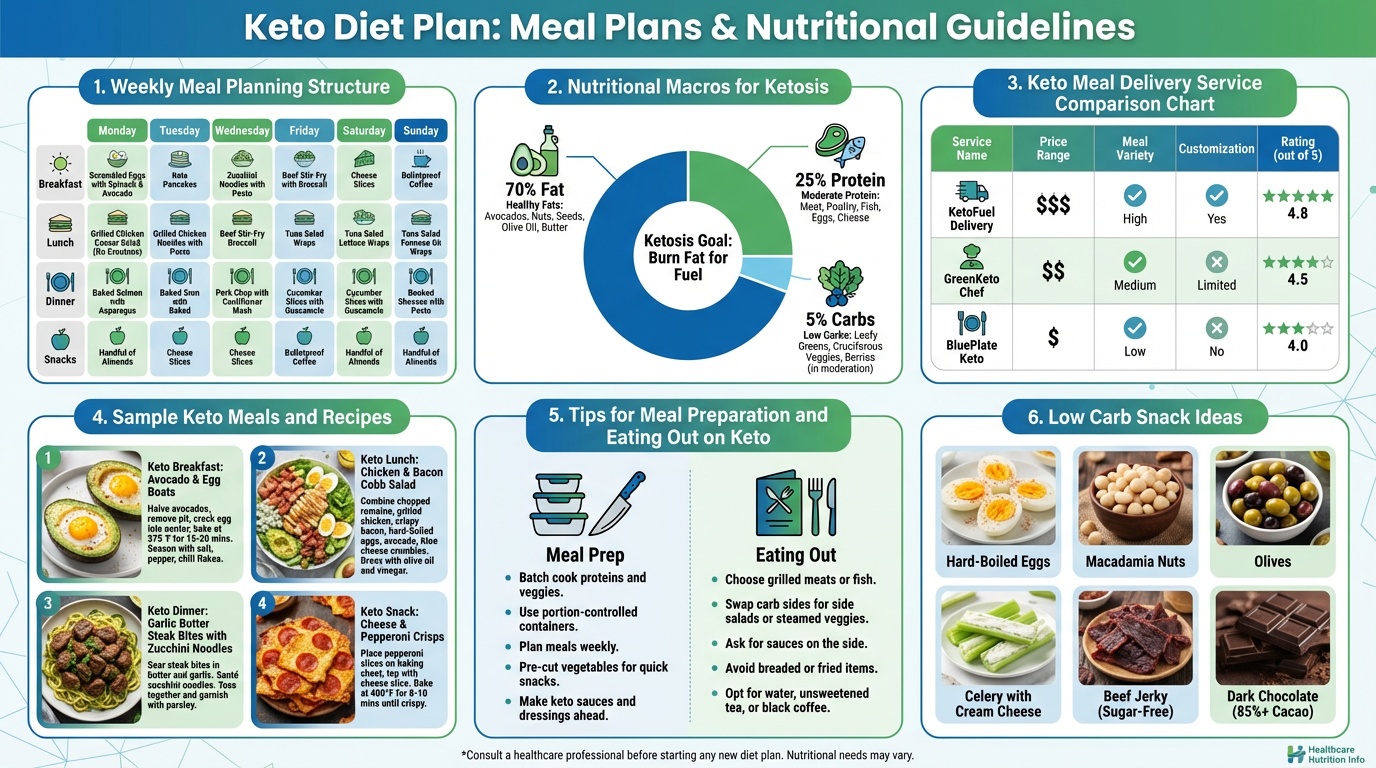
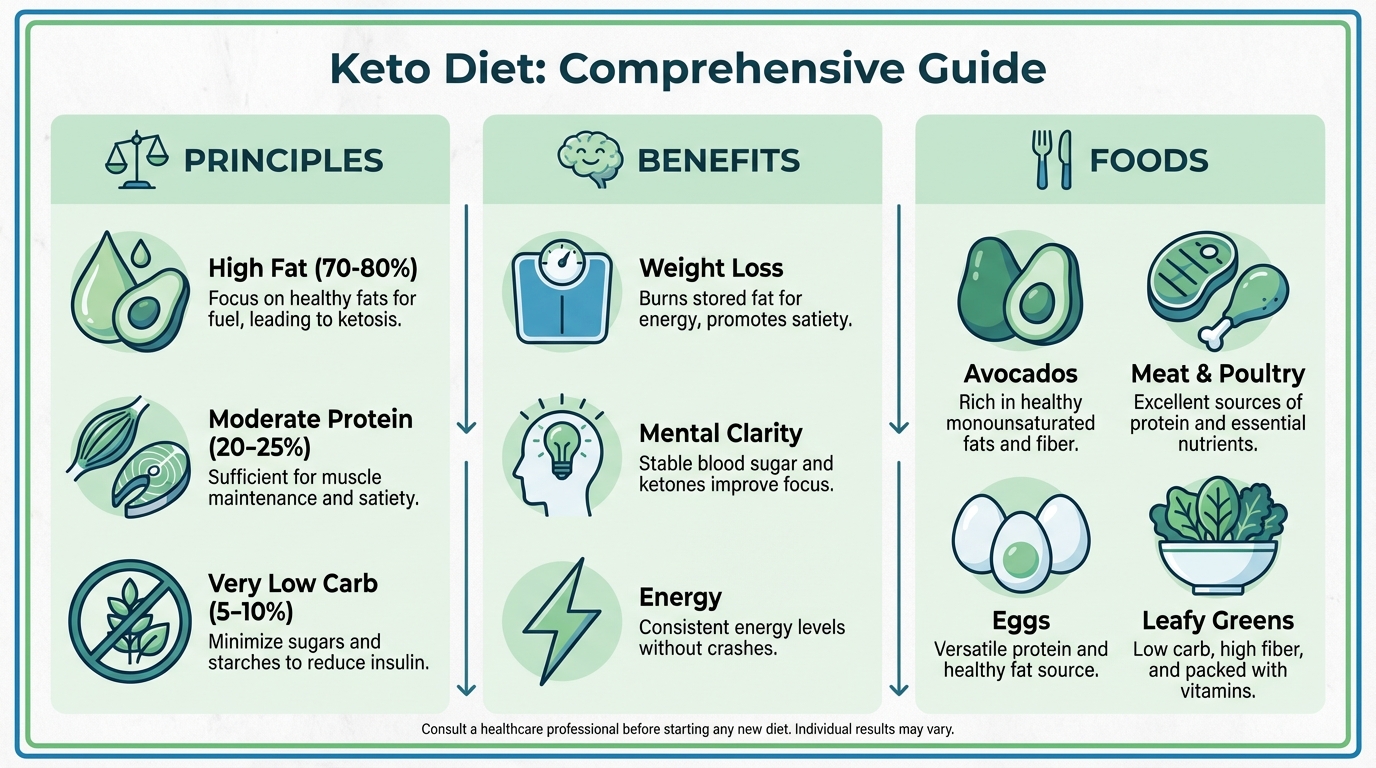
Category: keto-diet

  • Keto Meal Delivery Services: Reviews and Comparisons

    Now I have comprehensive research. Let me write the article.
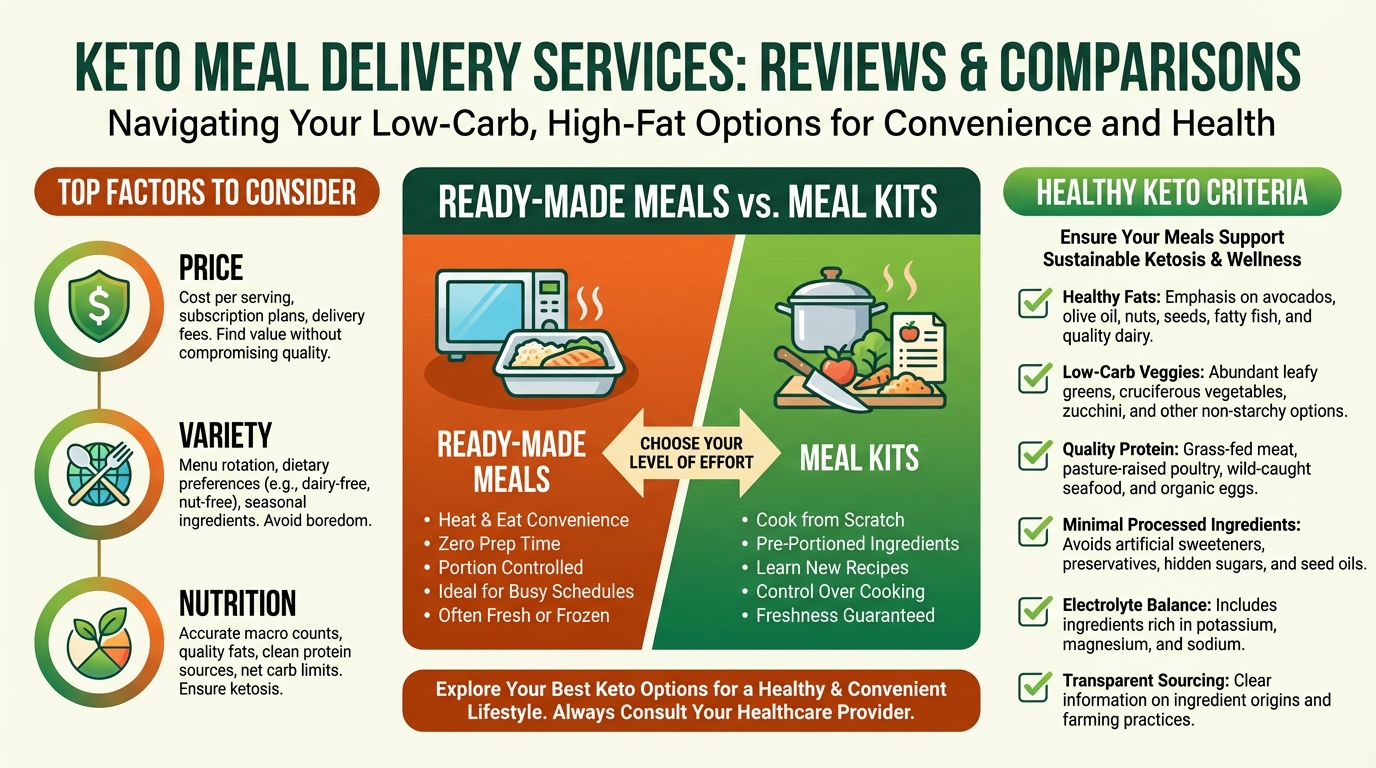
    Keto meal delivery services with prepared low-carb meals and fresh ingredients

    Sticking to a keto diet is hard enough without spending hours every week planning meals, reading labels, and prepping ingredients. That’s exactly why keto meal delivery services have exploded in popularity. Whether you want fully prepared keto meals that heat up in two minutes or a meal kit with pre-portioned ingredients, there are now dozens of services fighting for your subscription.

    But which ones are actually worth your money? And can they really help you hit your macros, stay in ketosis, and lose weight?

    I’ve spent weeks researching every major keto meal delivery service, reading expert reviews, consulting clinical studies, and combing through real user feedback to put together this comprehensive guide. Let’s break it all down.

    What Exactly Is a Keto Meal Delivery Service?

    A keto meal delivery service sends you meals (or ingredients to make meals) that align with ketogenic diet macros. The ketogenic diet typically reduces total carbohydrate intake to less than 50 grams a day and replaces those calories with fat, pushing your body into a metabolic state called ketosis where it burns fat for fuel instead of glucose.

    These services come in two formats:

    • Prepared meals: Fully cooked, single-serving meals that arrive fresh (or frozen) and just need a quick reheat in the microwave or oven. Think 2-3 minutes and you’re eating.
    • Meal kits: Pre-portioned raw ingredients plus a recipe card. You do the cooking (usually 20-40 minutes), but the carb counting and grocery shopping are done for you.

    A solid keto meal plan delivery generally provides meals with roughly 60% of calories from fat, 20% from protein, and 10% or less from carbohydrates.

    Can You Buy Ready-Made Keto Meals?

    Yes, absolutely. You can buy ready-made keto meals from several dedicated delivery services, major retailers like Walmart and Amazon, and even some local meal prep companies.

    The most popular prepared keto meal delivery services include:

    • Factor (keto meals with 15g net carbs or less)
    • Trifecta (organic, gluten-free prepared meals)
    • Eat Clean (fresh prepared meals with under 10g net carbs)
    • CookUnity (chef-crafted meals with keto filters)

    If you prefer shopping in-store, retailers like Walmart carry keto ready-made meals from brands offering plant-based and protein-rich options ranging from $6 to $74 depending on the pack size. Amazon also stocks a variety of shelf-stable keto meals ready to eat.

    For a deep dive into how Factor’s keto meals stack up in taste, nutrition, and value, check out our detailed review.

    Who Makes the Best Keto Meals? Top Services Compared

    After analyzing expert tests from CNET, Fortune, Healthline, The Spruce Eats, and Garage Gym Reviews, clear winners emerge in different categories. Here’s how the top keto meal delivery services compare:

    Service Type Net Carbs/Meal Price/Serving Best For
    Factor Prepared ≤15g $11-$14 Best overall; comfort food style
    Green Chef Meal Kit ≤20g $12-$13 Best organic ingredients
    Home Chef Kit + Prepared ≤15g $8-$10 Best budget option
    Trifecta Prepared ≤15g ~$15 Best for athletes
    Eat Clean Prepared ≤10g ~$9 Best value prepared meals
    CookUnity Prepared Varies $11-$13 Best chef-driven variety
    HelloFresh Meal Kit Varies ~$10 Best Carb Smart menu

    Factor: Best Overall Keto Meal Delivery Service

    Factor consistently tops nearly every expert roundup. Fortune named it the best overall keto meal delivery service because every keto meal comes in at 15 grams of net carbs or less, and the nutrition facts are accessible before you commit.

    What stands out:

    • Fresh, never-frozen meals ready in 2 minutes
    • Dietitian-designed with 100+ weekly menu options
    • Free 20-minute consultation with a registered dietitian included
    • 6 to 18 meals per week

    What to watch for:

    Factor is part of the HelloFresh Group, and their keto meals are designed so that 60% of calories come from fat, approximately 20% from protein, and 10% or less from carbohydrates.

    Green Chef: Best Organic Keto Meal Kit

    If cooking is part of how you enjoy food, Green Chef is worth considering. As the first meal kit company certified by the California Certified Organic Farmers, their ingredient quality is top-tier.

    What stands out:

    • USDA-certified organic ingredients
    • Around 10 keto recipes per week with ≤20g net carbs
    • Serves 2-6 people per recipe
    • Pre-portioned ingredients reduce cooking time

    What to watch for:

    • Meals take about 30 minutes to prep and cook
    • Portion sizes rated 3/5 by testers at Garage Gym Reviews
    • Additional $9.99 flat shipping fee per box

    Home Chef: Most Affordable Keto Meals

    When budget matters, Home Chef dinners start as low as $7.99 per serving, making it the cheapest option on most expert lists. They regularly offer intro deals including free meals and steep discounts spread across your first several weeks.

    What stands out:

    • Swap or double the protein in any meal
    • Both meal kits and oven-ready prepared options
    • 14+ keto-friendly options per week
    • Serves up to 6 people

    What to watch for:

    • Some meal kits can take up to 50-60 minutes to cook
    • No organic ingredients
    • Doesn’t deliver to Alaska or Hawaii

    For more options on how HelloFresh’s Carb Smart menu compares to true keto, we break it down in our dedicated review.

    Does Anyone Deliver Keto Meals?

    Yes, and there is no shortage of options. Most major meal delivery services now ship keto-friendly meals nationwide across the contiguous United States. Services like Factor, Trifecta, Green Chef, HelloFresh, CookUnity, and Pete’s Real Food all deliver keto meals directly to your door.

    Here’s a quick delivery breakdown:

    Service Delivery Area Arrives Shipping Cost
    Factor 48 contiguous states Fresh Free first order, then $10.99
    Green Chef 48 contiguous states Fresh $9.99 flat fee
    Home Chef 48 contiguous states (no AK/HI) Fresh Free first order, then $10.99
    Trifecta 48 contiguous states Fresh Free on orders $70+
    CookUnity Most contiguous U.S. Fresh Varies
    Pete’s Real Food All 50 states Fresh/Frozen ~$40

    One thing to be aware of: some services use gig-economy delivery drivers rather than traditional carriers like FedEx or UPS. Reddit users in apartment complexes have reported issues with gig delivery drivers delivering to the wrong building, which can be a problem for perishable food. If delivery reliability concerns you, ask the service about their shipping partner before signing up.

    Do Keto Meal Delivery Services Work for Weight Loss?

    This is the million-dollar question, and the answer comes with some nuance.

    What the Science Says About Keto and Weight Loss

    The ketogenic diet itself has solid evidence behind it for short-to-medium term weight loss:

    How Meal Delivery Specifically Helps

    Keto meal delivery services amplify these benefits by solving the biggest reasons people fall off the keto wagon:

    • Portion control: Pre-portioned meals prevent overeating and remove the guesswork around calorie and macro counting
    • Consistency: Having meals ready eliminates the temptation to grab carb-heavy takeout on a busy night
    • Accurate macros: Professional nutritionists design the meals to hit exact keto ratios, something that’s hard to do consistently when cooking from scratch
    • Reduced decision fatigue: Choosing from a curated menu is far easier than planning a week of meals yourself

    Diet-to-Go’s keto plan averages around 1,300 calories and 30 grams of net carbs daily, which is designed specifically to support weight loss while maintaining ketosis.

    That said, meal delivery alone won’t guarantee weight loss. Snacking between delivered meals, adding high-calorie drinks, or not exercising can all offset the benefits.

    Is Keto Meal Delivery Healthy?

    Keto meal delivery can be healthy, but the quality varies dramatically between services. Here’s what to look for and what to watch out for.

    The Health Benefits

    • Nutritional balance: The best services employ registered dietitians who ensure meals contain adequate vitamins, minerals, and healthy fats, not just low carbs
    • High-quality ingredients: Services like Green Chef use USDA-certified organic produce, while Trifecta uses humanely raised, antibiotic-free meats and sustainable seafood
    • Reduced processed food: Prepared keto meals from reputable services typically avoid added sugars, artificial preservatives, and highly processed ingredients

    Potential Concerns

    Pro tip: Always review the full nutrition facts and ingredient list for each meal before ordering. The best services make this information easily accessible on their websites and apps.

    What Fast Food Can I Order on Keto?

    There will be times when meal delivery isn’t an option and you need to eat on the go. The good news is that many fast food items like burrito bowls, salad bowls, and Buffalo chicken wings can fit a keto-friendly diet.

    Here are the best keto-friendly fast food options:

    • Lettuce-wrapped burgers (In-N-Out, Five Guys, Wendy’s): Skip the bun, add cheese, bacon, and mustard for essentially zero carbs
    • Chipotle salad bowl: A bowl with meat, grilled vegetables, salsa, and guacamole (no rice or beans) has about 18g total carbs with 8g fiber
    • KFC grilled chicken: Each piece contains 0g of carbs
    • Chick-fil-A grilled nuggets: Only about 2g net carbs with buffalo sauce
    • Buffalo wings: Traditional wings (not breaded) have about 2.6g carbs per three drummettes
    • Sub bowls (Subway, Jersey Mike’s): Order any sub “in a bowl” instead of on bread to slash carbs dramatically
    • Bunless McDonald’s breakfast: An Egg McMuffin without the muffin drops to 3g carbs or less

    The key rule: skip the bun, skip the tortilla, skip the breading, and ask for sauces on the side (many sauces contain hidden sugars).

    How to Choose the Right Keto Meal Delivery Service

    With so many options, picking the right service comes down to your priorities. Use this framework:

    Step 1: Decide Between Meal Kits and Prepared Meals

    Prepared Meals Meal Kits
    Prep time 2-3 minutes 20-45 minutes
    Cost $11-$18/serving $8-$13/serving
    Best for Busy schedules, no cooking Enjoy cooking, want flexibility
    Example Factor, Trifecta Green Chef, Home Chef

    Step 2: Check the Carb Limits

    Not all “keto” labels are equal. True keto meals should be under 20g net carbs:

    • Factor: ≤15g net carbs
    • Green Chef: ≤20g net carbs
    • Home Chef Carb Conscious: ≤15g net carbs
    • Eat Clean: often under 10g net carbs

    Step 3: Factor In Your Budget

    Meal delivery services generally cost between $8 and $16 per meal. Most offer steep first-order discounts (sometimes 50% off or more), so take advantage of intro offers to test before committing. The more meals you order per week, the lower your per-serving cost drops.

    Step 4: Check Delivery and Flexibility

    Make sure the service delivers to your area and offers the flexibility you need. Look for:

    • Easy skipping, pausing, and canceling
    • The ability to browse the menu before entering payment info
    • Delivery day options that work with your schedule

    Real User Experiences: What Reddit Says About Keto Meal Delivery

    Online forums provide unfiltered feedback that expert reviews sometimes miss. Here’s what real keto meal delivery users are saying:

    On Factor: Users on Reddit describe Factor as “great, but a little pricey,” with one user noting they used intro discount codes to get 65% off first orders. Multiple users praised the convenience but noted flavor fatigue after 8+ weeks of eating from the same rotating menu.

    On Clean Eatz: Several users recommended Clean Eatz as a more budget-friendly alternative at around $6.50-$8.99 per meal. One helpful tip: thawing frozen Clean Eatz meals in the fridge instead of microwaving from frozen significantly improves the taste.

    On variety concerns: One experienced user reported that after three months on Factor’s keto menu, they “could never eat something with lime crema again” due to repetitive flavor profiles. Switching between services or using meal delivery for some (not all) meals each week can prevent this burnout.

    The bottom line from users: Meal delivery works best as a supplement to your overall keto strategy, not necessarily as your only food source for every single meal.

    Prepared Meals vs. Meal Kits vs. DIY: Which Approach Wins?

    Each approach has trade-offs. Here’s an honest breakdown:

    Keto Prepared Meals (Factor, Trifecta, Eat Clean)

    • Pros: Zero cooking, precise macros, maximum convenience
    • Cons: Higher cost, limited customization, potential flavor fatigue
    • Best for: Busy professionals, people who hate cooking, keto beginners

    Keto Meal Kits (Green Chef, Home Chef)

    • Pros: Fresher taste, cooking skills development, lower cost, family-sized portions
    • Cons: 20-45 minute prep, more dishes to clean, requires basic cooking ability
    • Best for: People who enjoy cooking, families, those wanting organic ingredients

    DIY Keto Meal Prep

    • Pros: Cheapest option, total control over ingredients, unlimited variety
    • Cons: Requires planning, shopping, cooking, and macro tracking
    • Best for: Experienced keto followers with time and kitchen confidence

    Many people find the sweet spot is a hybrid approach: use prepared keto meals for weekday lunches and cook their own dinners on weekends.

    FAQ

    Can you buy keto ready meals at the grocery store?
    Yes. Walmart, Amazon, Whole Foods, and many grocery stores carry shelf-stable and refrigerated keto-friendly ready meals. Brands like Atkins, Real Good Foods, and Proper Good sell keto meals ranging from $3-$8 per serving. However, these tend to be lower quality than dedicated delivery services.

    What is the best keto food delivery service?
    Factor is the most consistently recommended keto meal delivery service across expert reviews from Fortune, CNET, The Spruce Eats, and Garage Gym Reviews. It offers the lowest net carb count (≤15g), dietitian-designed meals, and heat-and-eat convenience. For organic ingredients, Green Chef is the top pick. For budget-conscious shoppers, Home Chef and Clean Eatz offer the best value.

    How much do keto meal delivery services cost?
    Most keto meal delivery services cost between $8 and $16 per serving. Factor runs $11-$14 per serving, Green Chef is around $12-$13, and Home Chef starts as low as $8. Shipping typically costs $10-$12 per box after introductory free shipping offers.

    Are keto meal deliveries good for beginners?
    Absolutely. Keto meal delivery removes the steepest learning curve for beginners: figuring out what to eat and how to hit proper macro ratios. Services that provide transparent nutritional information and dietitian support (like Factor) are especially helpful for people just starting out.

    Can I freeze keto meal delivery meals?
    It depends on the service. Factor advises against freezing but some users do it before the expiration date. Trifecta’s vacuum-sealed meals can be frozen for up to three months. Clean Eatz and 518 Kitchen ship meals already frozen. Always check each service’s guidelines.

    Do keto meal delivery services accommodate allergies?
    Most services allow you to filter by allergen or exclude specific ingredients. Trifecta meals are all gluten-free, dairy-free, and soy-free. Snap Kitchen prepares everything in a gluten-free kitchen. However, no service can guarantee zero cross-contamination, so read ingredient lists carefully if you have severe allergies.

    Is it cheaper to cook keto yourself or use a delivery service?
    Cooking keto yourself is almost always cheaper, typically $5-$8 per meal versus $8-$16 from a delivery service. But delivery saves significant time on planning, shopping, and cooking, which many people find worth the premium.

    Sources

  • Free Keto Diet Plans & Beginner Guides

    Alt text based on the content title from the brief

    Starting a ketogenic diet doesn’t have to cost you anything. Whether you’re looking for a free keto diet plan PDF, a complete beginner’s guide, or a lazy keto food list, there are plenty of resources available at no cost that can help you transform your health and reach your goals. This comprehensive guide brings together the best free resources, practical meal plans, and actionable tips to help you start your keto journey today without spending a dime on expensive programs or subscriptions.

    What Is the Keto Diet and How Does It Work

    The ketogenic diet is a very low carbohydrate, high fat diet that puts your body into a metabolic state called ketosis. When you dramatically reduce your carb intake to typically less than 50 grams per day and replace those carbohydrates with fat, your body shifts from using glucose as its primary fuel source to burning stored fat for energy instead Diet Doctor.

    During ketosis, your liver converts fat into ketones, which become your brain’s main energy source. This metabolic switch offers numerous potential health benefits, including significant weight loss, improved blood sugar control, enhanced mental clarity, and reduced hunger pangs Healthline. Many people find that once they reach ketosis, the constant hunger and food cravings that plague traditional diets simply disappear, making the keto diet remarkably sustainable for long-term success.

    The standard ketogenic diet follows a macronutrient breakdown of approximately 70% fat, 20% protein, and only 10% carbohydrates Healthline. This ratio ensures that your body remains in ketosis while still getting enough protein to maintain muscle mass and keep you feeling satisfied after meals. Understanding these basics is essential before diving into any meal plan, as it helps you make informed decisions about food choices and portion sizes throughout your journey.

    How to Start a Keto Diet at Home for Free

    Starting keto at home for free is entirely achievable with the right approach and resources. The first step involves cleaning out your kitchen of high-carb foods that would kick you out of ketosis, including bread, pasta, rice, potatoes, sugary snacks, and processed foods Diet Doctor. This kitchen clean-out process might seem daunting, but it dramatically increases your chances of success by removing temptation and setting you up for a smooth transition.

    Stocking your kitchen with keto-friendly foods doesn’t have to break the bank either. Focus on purchasing eggs, which are virtually carb-free and incredibly versatile for breakfast, lunch, or dinner Perfect Keto. Add affordable proteins like chicken thighs, ground beef, and bacon, along with fatty fish like sardines and canned salmon, which provide essential omega-3 fatty acids and vitamin D Perfect Keto. Fill your vegetable crisper with low-carb options like spinach, broccoli, cauliflower, and zucchini, all of which can be purchased fresh or frozen at reasonable prices.

    The beauty of starting keto at home for free lies in the abundance of no-cost resources available online. Major keto education websites offer free meal plans, shopping lists, recipes, and comprehensive beginner guides that walk you through every step of the process Diet Doctor. These resources are written and reviewed by medical professionals, ensuring that the advice you receive is both safe and effective. You don’t need expensive supplements, specialized meal delivery services, or fancy kitchen equipment to succeed on keto—all you need is basic knowledge, a grocery store, and commitment to the process.

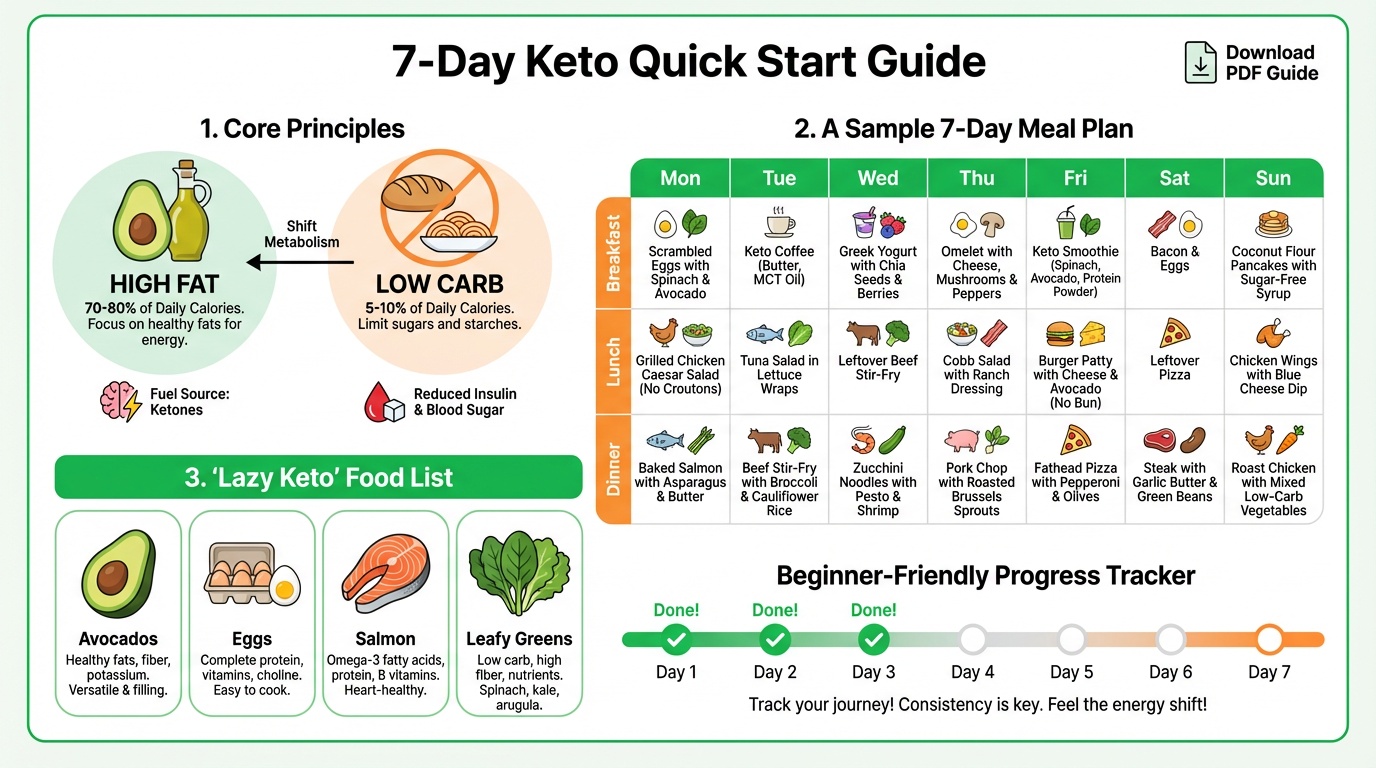
    Your Free 7-Day Keto Meal Plan

    The following 7-day meal plan provides approximately 15 grams of net carbohydrates per meal and 5 grams or less per snack, keeping you well within the range needed to maintain ketosis University of Wisconsin Family Medicine. Each day includes breakfast, lunch, dinner, and optional snack suggestions, along with a complete shopping list to make your grocery trip efficient and budget-friendly.

    Day 1

    Breakfast: Scrambled eggs with shredded cheese, sautéed vegetables including cherry tomatoes, kale, and mushrooms, topped with 1/4 avocado. Drink 6 ounces of Fairlife milk and 8 ounces of coffee or tea.

    Lunch: Large salad with 2 cups greens, cherry tomatoes, red onion, and cucumber, topped with 2 ounces diced turkey, 1 hard-boiled egg, 1 ounce shredded cheese, 2 tablespoons vinaigrette, and 1 tablespoon lemon juice. Drink 16 ounces of water.

    Dinner: 3-ounce hamburger with 1 ounce cheese slice, thick tomato and onion slices, and pickle spears, eaten without a bun or wrapped in large iceberg lettuce. Drink 16 ounces of water.

    Optional Snack: 1 ounce almonds

    Day 2

    Breakfast: 3/4 cup Greek yogurt (plain or Two Good brand) with 1 cup mixed berries including strawberries, raspberries, and blackberries. Drink 6 ounces of Fairlife milk and 8 ounces of coffee or tea.

    Lunch: Tuna salad wrap using a Mission carb-balanced tortilla, filled with lettuce, tomato, and onion, plus 1 cup cucumber slices with 2 tablespoons low-fat ranch dressing. Drink 16 ounces of water.

    Dinner: 3-ounce chicken breast with 2 tablespoons pesto, served over 2 cups roasted broccoli with 2 tablespoons shredded parmesan cheese. Drink 16 ounces of water.

    Optional Snack: 1/2 cup cottage cheese

    Day 3

    Breakfast: Breakfast burrito with 2 eggs, shredded cheese, sautéed bell peppers and onion, wrapped in a Mission carb-balanced tortilla with 2 tablespoons salsa and 2 tablespoons guacamole. Drink 6 ounces of Fairlife milk and 8 ounces of coffee or tea.

    Lunch: Chicken salad with tomato, onion, and avocado on 2 large lettuce leaves, served with 1 pickle spear and 1 cup celery sticks with 1 tablespoon low-fat ranch. Drink 16 ounces of water.

    Dinner: Spiralized zucchini “noodles” topped with Gardein Meatless Meatballs and 1/2 cup low-carb marinara sauce, finished with shredded cheese. Drink 16 ounces of water.

    Optional Snack: 1 ounce string cheese

    Day 4

    Breakfast: Berry smoothie made with 3/4 cup Greek yogurt, 1/2 cup mixed berries, and unsweetened almond milk. Drink 8 ounces of coffee, tea, or water.

    Lunch: 1/2 cup chicken salad made with tomato, onion, and avocado, served on 2 large lettuce leaves with 1 cup celery sticks. Drink 16 ounces of water.

    Dinner: 3 to 4-ounce salmon fillet with lemon, served with 2 cups asparagus cooked with garlic and 1 cup spinach salad with 1 ounce cheese and vinaigrette. Drink 16 ounces of water.

    Optional Snack: 1 hard-boiled egg

    Day 5

    Breakfast: 2-egg omelet with shredded cheese and 1 cup sautéed vegetables including tomatoes, peppers, and onions. Add 2 tablespoons salsa. Drink 6 ounces of Fairlife milk and 8 ounces of coffee or tea.

    Lunch: Large salad with 2 cups greens, 1/2 cup cottage cheese, 1 ounce pecans or sunflower seeds, 1 ounce shredded cheese, and 2 tablespoons vinaigrette. Drink 16 ounces of water.

    Dinner: Sheet pan dinner with 2 ounces sausage and vegetables including cherry tomatoes, bell pepper, and yellow squash, roasted until tender. Drink 16 ounces of water.

    Optional Snack: 1 ounce almonds

    Day 6

    Breakfast: 3/4 cup Greek yogurt with 1 cup mixed berries. Drink 6 ounces of Fairlife milk and 8 ounces of coffee or tea.

    Lunch: Egg salad wrap on a Mission carb-balanced tortilla with lettuce, tomato, and onion, plus 1 cup cucumber slices with low-fat ranch. Drink 16 ounces of water.

    Dinner: Lettuce-wrap tacos with 3 ounces lean ground beef, 1/3 cup black beans, 1/2 cup sautéed bell peppers and onions, and shredded cheese on 2 large romaine lettuce leaves with 2 tablespoons salsa and sour cream. Drink 16 ounces of water.

    Optional Snack: 1 ounce string cheese

    Day 7

    Breakfast: Egg “nests” with spiralized, sautéed zucchini and 2 eggs, seasoned with garlic and onion, plus 1/4 avocado. Drink 6 ounces of Fairlife milk and 8 ounces of coffee or tea.

    Lunch: Ham, cream cheese, and pickle rollups using 2 ounces sliced ham, 2 tablespoons cream cheese, and 1 to 2 pickle spears, plus string cheese and 1 cup side salad with 1 tablespoon vinaigrette. Drink 16 ounces of water.

    Dinner: Stir fry with 2 cups riced cauliflower, 3 ounces tofu or chicken, 1/4 cup green onion, and 2 tablespoons low-sodium soy sauce with spices. Drink 16 ounces of water.

    Optional Snack: 1 ounce sunflower seeds

    Complete Keto Food List for Beginners

    Understanding what foods to eat and avoid is fundamental to succeeding on a ketogenic diet. The good news is that many delicious, satisfying foods are perfectly aligned with keto principles, making the transition easier than you might expect.

    Foods to Eat on Keto

    Meats and Proteins: All types of meat are essentially carb-free and should form the foundation of your keto diet. This includes beef, pork, lamb, chicken, turkey, and game meats Perfect Keto. Eggs are particularly valuable as they’re versatile, affordable, and virtually carb-free at only 0.4 grams per egg. Fatty fish like salmon, mackerel, and tuna provide not only protein but also heart-healthy omega-3 fatty acids that support reduced inflammation and better metabolic health Perfect Keto.

    Dairy Products: Full-fat dairy is encouraged on keto because it provides satisfying fats without adding carbohydrates. Stock up on butter (0.1 grams carbs per 100 grams), heavy cream (3 grams carbs per 100 grams), cream cheese (1 gram carbs per tablespoon), and hard cheeses like cheddar (1.3 grams carbs per 100 grams) Perfect Keto. Plain Greek yogurt offers about 5 grams of carbs per 100 grams and makes an excellent base for smoothies or a protein-rich snack.

    Non-Starchy Vegetables: These nutrient-dense foods should appear at every meal to provide fiber, vitamins, and minerals while keeping carbs low. Top choices include spinach (2 grams net carbs per 100 grams), broccoli (4 grams net carbs per 100 grams), cauliflower (3 grams net carbs per 100 grams), zucchini (2 grams net carbs per 100 grams), asparagus (2 grams net carbs per 100 grams), and bell peppers (about 6 grams net carbs per pepper) Perfect Keto. Above-ground vegetables generally contain fewer carbohydrates, so prioritize green varieties over colorful ones.

    Healthy Fats and Oils: Keto is a high-fat diet, so embrace fats as a primary energy source. Excellent choices include extra virgin olive oil, avocado oil, coconut oil, butter, ghee, and MCT oil Perfect Keto. These fats enhance the absorption of fat-soluble vitamins A, D, E, and K, supporting overall wellness and making meals more satisfying.

    Nuts and Seeds: While portion-controlled due to their calorie density, nuts and seeds fit perfectly into keto eating. Macadamia nuts lead the pack at only 2 grams net carbs per 1/4 cup serving, followed by Brazil nuts, pecans, and walnuts at 1 gram net carbs per 1/4 cup Perfect Keto. They’re excellent sources of fiber, plant protein, and minerals.

    Low-Carb Fruits: Most fruits are too high in sugar for keto, but berries make an exception. Avocado provides just 2 grams net carbs per 100 grams and delivers healthy monounsaturated fats Perfect Keto. Blackberries and raspberries offer about 5 grams net carbs per 100 grams, making them suitable in moderation. A typical daily allowance is about 1/2 cup of berries, which satisfies sweet cravings without breaking ketosis University of Wisconsin Family Medicine.

    Foods to Avoid on Keto

    High-carbohydrate foods must be eliminated or drastically reduced to maintain ketosis. Sugary foods like soda, fruit juice, cake, cookies, and ice cream cause rapid blood sugar spikes and immediately knock you out of ketosis Healthline. Even natural sweeteners like honey and maple syrup should be avoided, as should sugar-free foods that contain artificial sweeteners and fillers.

    Grains and starches are also off-limits, including wheat-based bread, pasta, rice, cereal, and oats Healthline. Starchy vegetables like potatoes, sweet potatoes, corn, and peas contain too many carbohydrates. Legumes including beans, lentils, and chickpeas must also be avoided, despite their nutritional benefits in other contexts.

    Most fruits are too high in sugar for keto, including apples, bananas, grapes, mangoes, and melons Healthline. Fruit juice, even unsweetened varieties, concentrates the sugar and should be eliminated. Processed vegetable oils like canola, soybean, sunflower, and safflower oil contain inflammatory omega-6 fatty acids and should be replaced with healthier options Perfect Keto.

    What Is Lazy Keto and How to Get Started

    Lazy keto is a simplified approach to the ketogenic diet that eliminates the need for meticulous tracking of calories, macronutrients, and food scales. Instead of counting every gram of fat, protein, and carbohydrate, lazy keto focuses primarily on keeping carbohydrate intake below a certain threshold, typically around 20 to 50 grams of net carbs per day Diet Doctor. This approach appeals to beginners who find traditional tracking overwhelming or unsustainable long-term.

    The philosophy behind lazy keto is that if you simply eat whole, unprocessed foods that naturally fall within keto guidelines, you’ll naturally consume the right macronutrient ratios without constant calculation Diet Doctor. A typical lazy keto day might include eggs and bacon for breakfast, a salad with chicken and olive oil dressing for lunch, and salmon with roasted vegetables for dinner, along with snacks like cheese, nuts, or hard-boiled eggs when hunger strikes.

    For those wondering whether there’s a free lazy keto food list PDF available, several websites offer printable guides that categorize foods as “keto-friendly” or “avoid” without requiring detailed macro tracking Pinterest. These simplified lists help lazy keto practitioners quickly identify foods that fit their eating style while avoiding the need for constant nutritional analysis. The key is building meals around protein sources, healthy fats, and low-carb vegetables without overcomplicating the process.

    Sample Lazy Keto Day

    A typical lazy keto meal plan requires minimal preparation and decision-making. For breakfast, you might enjoy scrambled eggs cooked in butter with a side of bacon or sausage Diet Doctor. If you’re not hungry in the morning, skipping breakfast entirely and having your first meal at lunch is perfectly acceptable on lazy keto—just enjoy black coffee or tea with a splash of heavy cream if desired.

    Lunch on lazy keto can be as simple as no-cook options like sliced deli meats wrapped around cheese, a handful of nuts, and raw vegetable sticks with guacamole Diet Doctor. These require zero cooking and can be assembled in minutes, making them ideal for busy days or beginners who want to ease into the diet gradually.

    Dinner on a lazy keto day might involve cooking one protein source like chicken thighs or ground beef and pairing it with whatever low-carb vegetables you have on hand Diet Doctor. The simplicity of lazy keto lies in its flexibility—if you know a food is low in carbs and high in fat or protein, you can include it without second-guessing your choices.

    Essential Tips for Keto Beginners

    Starting a ketogenic diet successfully requires understanding both the principles of the diet and the practical realities of daily life. These tips will help you navigate common challenges and set yourself up for long-term success.

    Prepare for the Keto Flu

    During your first week on keto, you may experience what’s commonly called “keto flu”—a collection of symptoms including fatigue, headaches, brain fog, and digestive discomfort as your body adapts to using fat for fuel instead of glucose Healthline. This transition period is temporary and can be minimized by drinking plenty of fluids and ensuring adequate salt intake Diet Doctor. Adding a cup of bone broth daily and salting your food generously can make a significant difference in how you feel during the adjustment period.

    Master Food Label Reading

    Before starting keto, familiarize yourself with reading nutrition labels to identify hidden carbohydrates and added sugars Healthline. Pay particular attention to serving sizes, as many products contain more than one serving per container. Calculate net carbs by subtracting fiber from total carbohydrates, and watch for sugar alcohols that may still impact blood sugar in some individuals.

    Plan Meals Ahead

    Successful keto dieters often prepare meals in advance to avoid making poor food choices when hungry and pressed for time Healthline. A practical strategy involves cooking double portions at dinner—eat one serving immediately and refrigerate the other for lunch the next day Diet Doctor. This simple approach reduces cooking frequency while ensuring you always have a healthy meal available.

    Embrace Meal Prepping

    For those with more time, full meal prepping on weekends can set you up for an entire week of successful keto eating. Prepare proteins like grilled chicken or hard-boiled eggs in bulk, wash and chop vegetables, and portion out snacks like nuts and cheese into individual servings Perfect Keto. Having these components ready makes assembling meals throughout the week quick and effortless.

    Stay Hydrated and Supplement Electrolytes

    Keto has a diuretic effect that can lead to dehydration and electrolyte imbalances if not addressed Healthline. Drink water consistently throughout the day, and consider adding a pinch of salt to your beverages or foods to maintain sodium levels. If you experience persistent fatigue, muscle cramps, or headaches, electrolyte supplements may help restore balance during the transition period.

    Eat Adequate Protein

    While keto is a high-fat diet, protein remains essential for maintaining muscle mass, supporting metabolism, and keeping you satisfied after meals University of Wisconsin Family Medicine. Aim for at least 60 grams of protein daily, distributed across your meals. Including a protein source at each meal helps ensure you meet this goal and prevents the muscle loss that can occur on very low-calorie diets.

    Free Keto Resources You Can Access Today

    Several reputable organizations offer free keto resources that rival expensive programs in quality and comprehensiveness. These resources include printable meal plans, shopping lists, recipe databases, and educational guides written by medical professionals.

    Diet Doctor provides one of the most comprehensive free keto resources available, including a 14-day meal plan with recipes and shopping lists, multiple types of keto meal planning guides, and extensive recipe collections Diet Doctor. Their content is medically reviewed and updated regularly to reflect the latest research, making it a reliable source for accurate information.

    University of Wisconsin Family Medicine offers a professional 7-day meal plan PDF designed for clinicians to share with patients, providing evidence-based guidance in an accessible format University of Wisconsin Family Medicine. This resource is particularly valuable because it comes from an academic medical institution with strict quality standards.

    Perfect Keto provides a complete keto grocery list with a free PDF download, categorizing foods by type and providing carb counts for common items Perfect Keto. Their guide includes scientific references supporting the recommendations, adding credibility to their advice.

    Healthline offers a detailed beginner’s guide explaining the science behind ketosis, the various types of ketogenic diets, and how to implement them safely Healthline. This guide covers everything from the basic mechanisms of ketosis to practical meal planning and supplement recommendations.

    Shopping List for Your First Keto Week

    Having a comprehensive shopping list ensures you have everything needed to execute your meal plan without multiple trips to the store. This list covers all the ingredients needed for the 7-day meal plan above, along with versatile staples that work across multiple meals.

    Proteins

    • 2 dozen eggs
    • 1 pound ground beef
    • 1 pound ground turkey
    • 1 pound chicken breast
    • 4 chicken thighs
    • 8 ounces deli turkey
    • 8 ounces deli ham
    • 4 salmon fillets
    • 8 ounces bacon
    • 8 ounces sausage
    • 8 ounces tuna (canned)
    • 8 ounces tofu (optional)

    Dairy

    • 1 container Fairlife milk (52 oz)
    • 2 cups Greek yogurt (plain)
    • 8 ounces cream cheese
    • 8 ounces shredded cheddar cheese
    • 8 ounces string cheese
    • 1 cup cottage cheese
    • Butter
    • Heavy cream
    • Sour cream

    Vegetables

    • 2 bags spinach
    • 1 head romaine lettuce
    • 1 head iceberg lettuce
    • 2 zucchinis
    • 1 head broccoli
    • 1 bell pepper
    • 1 pound asparagus
    • 1 cucumber
    • 1 pint cherry tomatoes
    • 1 yellow squash
    • 1 head cauliflower
    • 1 bunch kale
    • 8 ounces mushrooms
    • 1 onion
    • 1 jalapeño (for salsa)
    • Avocados (4)

    Pantry Items

    • Mission carb-balanced tortillas
    • Low-carb marinara sauce
    • Olive oil
    • Vinaigrette dressing
    • Low-fat ranch dressing
    • Pesto
    • Salsa
    • Guacamole
    • Pickles
    • Almonds
    • Pecans or sunflower seeds
    • Black beans (canned)
    • Soy sauce (low-sodium)
    • Garlic
    • Herbs and spices

    Beverages

    • Coffee
    • Tea
    • Sparkling water (optional)

    Frequently Asked Questions About Free Keto Diet Plans

    Is there a completely free keto diet plan available?

    Yes, several organizations offer comprehensive free keto meal plans without requiring payment or subscription. Diet Doctor provides a free 14-day keto meal plan with recipes and shopping lists Diet Doctor. The University of Wisconsin Family Medicine Department offers a professional 7-day sample menu PDF designed for patient education University of Wisconsin Family Medicine. These resources are professionally written and medically reviewed, making them as reliable as paid programs.

    How do I get a free keto diet plan PDF?

    Many websites offer downloadable PDF meal plans by visiting their meal planning sections. Simply navigate to the meal plan page and look for download buttons or links labeled “download PDF” or “printable meal plan.” Some sites require email registration to access PDF downloads, while others provide direct download links without any registration requirement.

    What is the difference between standard keto and lazy keto?

    Standard keto involves tracking macronutrients (fat, protein, carbohydrates) to maintain specific ratios, typically 70% fat, 20% protein, and 10% carbohydrates Healthline. Lazy keto simplifies this by only tracking carbohydrate intake, aiming for under 20 to 50 grams of net carbs daily without worrying about exact fat and protein ratios Diet Doctor. Lazy keto works well for people who want the benefits of ketosis without the complexity of detailed tracking.

    How quickly will I see results on a free keto meal plan?

    Results vary based on individual factors, but most people enter ketosis within 2 to 7 days of severely restricting carbohydrates Healthline. Weight loss often begins immediately, with initial losses primarily consisting of water weight as glycogen stores are depleted. Visible results and sustained weight loss typically become apparent within the first 2 to 4 weeks of consistent adherence to the meal plan.

    Can I customize a free keto meal plan for my dietary preferences?

    The free meal plans provided serve as templates that can be easily modified. If you prefer beef over chicken, simply substitute proteins throughout the plan Diet Doctor. Vegetarian keto is achievable by replacing meat proteins with eggs, tofu, tempeh, and additional dairy while ensuring adequate protein intake Healthline. The key is maintaining the carbohydrate threshold while meeting your protein needs and incorporating healthy fats.

    Do I need special equipment or supplements to start keto?

    No special equipment is required to start a ketogenic diet. Basic kitchen equipment like a stove, refrigerator, and basic cookware is sufficient for preparing all the meals in standard keto plans Healthline. While supplements like MCT oil, electrolytes, and exogenous ketones are marketed for keto, they’re entirely optional and not required for success. Most people can achieve and maintain ketosis through food alone.

    How do I know if I’m in ketosis?

    Common signs that you’ve entered ketosis include increased thirst, dry mouth, frequent urination, decreased appetite, and increased energy levels Healthline. For more certainty, you can purchase testing strips for urine, blood, or breath analysis, though these aren’t necessary for most people following the diet correctly. Trusting the process and following the meal plan consistently typically produces the desired results without requiring expensive testing.

    Is the keto diet safe for everyone?

    While the keto diet is generally considered safe for healthy adults, certain populations should consult healthcare providers before starting Healthline. People with diabetes, particularly those taking medication, should work with their doctors to adjust medications as blood sugar levels change Diet Doctor. Those with a history of eating disorders, kidney disease, or pancreatic conditions should also seek medical guidance. Pregnant and breastfeeding women should not follow a strict ketogenic diet.

    Sources

    University of Wisconsin Family Medicine

    Perfect Keto

    Healthline

    Diet Doctor

  • Keto Food List & Meal Planning: Everything You Need to Know

    Keto food list with avocados, eggs, salmon, nuts, and leafy greens arranged on a table for meal planning

    Figuring out what to eat on the keto diet can feel overwhelming at first. You’re cutting most carbs, rethinking your grocery list, and wondering if you’ll ever enjoy breakfast cereal again (spoiler: you will).

    The good news? The list of keto friendly foods is longer than you think. From protein-packed meats and fatty fish to low carb veggies, creamy cheeses, and even some surprisingly good keto snacks, there’s plenty to build satisfying meals around.

    This guide breaks down every keto diet food category, walks you through the best keto cereal, keto yogurt, and keto bars, gives you easy dinner ideas, and helps you plan your meals like a pro.

    How the Keto Diet Works (Quick Refresher)

    The ketogenic diet is a high fat, low carb eating plan designed to shift your body into a metabolic state called ketosis. In ketosis, your body burns fat for fuel instead of glucose from carbohydrates.

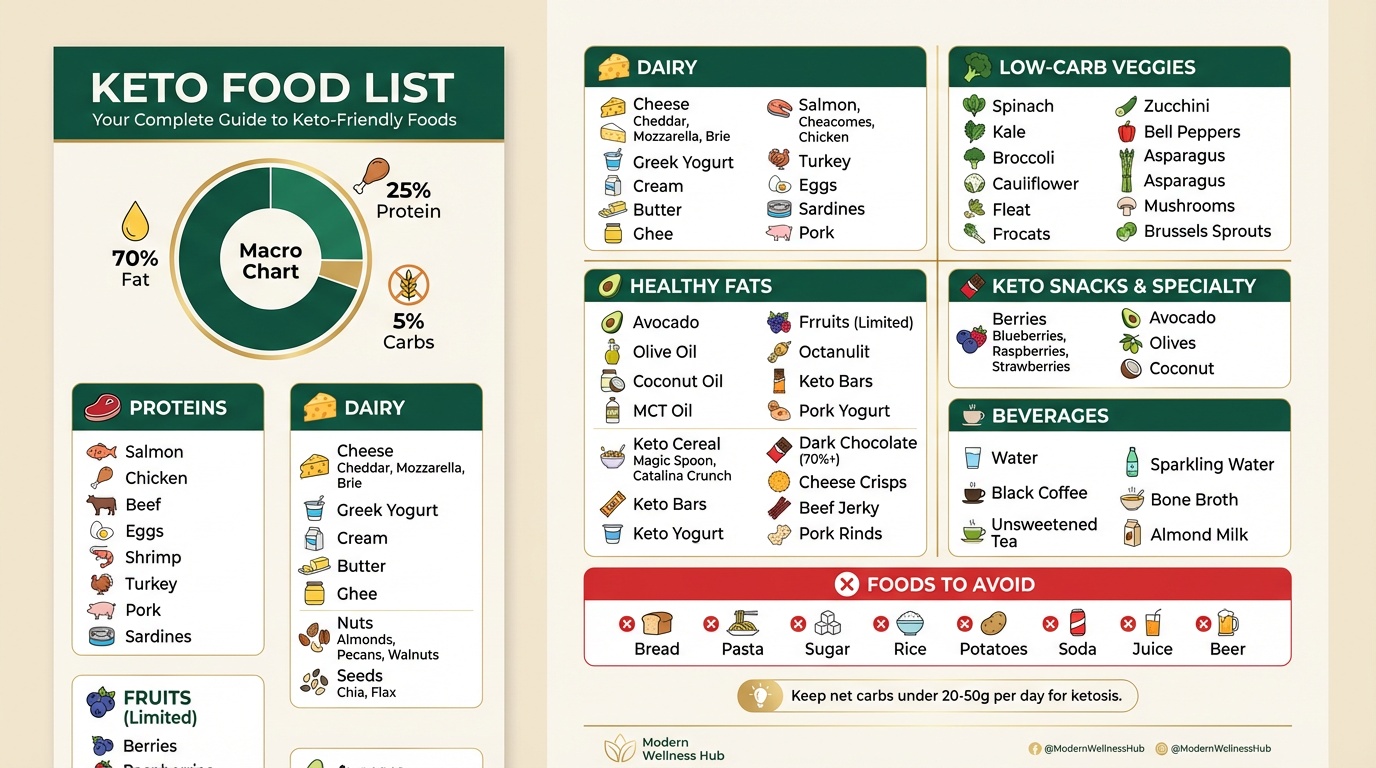
    Here’s the standard macro breakdown:

    Macronutrient % of Daily Calories
    Fat 70-80%
    Protein 10-20%
    Carbohydrates 5-10%

    For a 2,000-calorie diet, that translates to roughly 165 grams of fat, 75 grams of protein, and 40 grams or fewer of carbohydrates per day. Most keto practitioners aim for 20 to 50 grams of total carbs daily to stay in ketosis.

    When tracking, many people count net carbs (total carbs minus fiber) rather than total carbs, since fiber is indigestible and doesn’t raise blood sugar.

    The Complete Keto Food List

    Let’s break down every category of keto friendly foods you can stock up on.

    Proteins (Meat, Poultry, Eggs & Seafood)

    Protein is a cornerstone of the keto diet. Fresh meat and poultry are naturally carb-free and rich in B vitamins, potassium, selenium, and zinc.

    Best protein choices:

    • Beef (ground, steak, roast): 0g carbs per 3 oz
    • Chicken & turkey: 0g carbs per 3 oz
    • Pork (chops, tenderloin, bacon): 0g carbs per 3 oz
    • Lamb: 0g carbs per 3 oz
    • Eggs: less than 1g carbs per large egg
    • Salmon, tuna, cod, shrimp, crab: 0g carbs per 3 oz

    Fatty fish like salmon, sardines, and mackerel are especially valuable because they’re rich in omega-3 fats, which may help manage blood sugar and lower insulin levels.

    Tip: While processed meats like bacon and sausage are allowed on keto, they may raise your risk of certain cancers. Opt for fresh, unprocessed proteins more often.

    Fats & Oils

    Fat is your main fuel source on keto. Not all fats are created equal, though.

    Fat/Oil Carbs per Tbsp Notes
    Olive oil 0g High in monounsaturated fats and polyphenols
    Coconut oil 0g Contains MCTs that may boost ketone production
    Butter/Ghee 0g Excellent for cooking
    Avocado oil 0g Great for high-heat cooking
    Lard/Tallow 0g Traditional cooking fats

    Olive oil is high in monounsaturated fats and polyphenol antioxidants, which may help reduce inflammation and manage blood pressure, cholesterol, and glucose levels.

    Low Carb Vegetables

    Here’s a simple rule from Diet Doctor: above-ground vegetables are generally lower in carbs, while root vegetables contain more carbs. Veggies with less than 5 grams of net carbs per 100g can be eaten relatively freely.

    Best keto vegetables (net carbs per cup unless noted):

    • Spinach: less than 1g
    • Kale: less than 1g
    • Lettuce: 1g
    • Zucchini: 3g
    • Cauliflower: 3g
    • Cabbage: 3g
    • Broccoli: 4g
    • Green beans: 4g
    • Bell peppers: 5g
    • Asparagus: 2g per cup
    • Mushrooms: 2g
    • Cucumbers: 3g

    Vegetables to avoid or limit:

    • Potatoes: 33g net carbs per medium potato
    • Sweet potatoes: 20g net carbs per medium
    • Corn: 32g net carbs per cup
    • Beets: 14g net carbs per cup cooked

    Dairy & Cheese

    Full-fat dairy is a keto staple, but you’ll want to avoid anything sweetened or flavored with added sugar.

    • Hard cheeses (cheddar, Parmesan, Swiss): approximately 1g carbs per oz
    • Soft cheeses (Brie, cream cheese, mozzarella): 0-1g carbs per oz
    • Heavy cream: 1g carbs per oz
    • Sour cream: 1g carbs per tbsp
    • Cottage cheese: just over 6g carbs per 8 oz, with 28g of protein

    Avoid regular milk (12g carbs per cup), sweetened yogurts, and ice cream.

    Nuts & Seeds

    Nuts and seeds pack healthy fats, fiber, and protein. But watch your portions because calories add up fast.

    Nut/Seed Net Carbs per 1 oz
    Pecans 1g
    Macadamia nuts 2g
    Walnuts 2g
    Almonds 3g
    Pumpkin seeds 1g
    Chia seeds less than 1g per tbsp
    Flaxseeds 0g per tbsp

    Frequent nut intake is linked to a reduced risk of heart disease, certain cancers, depression, and other chronic diseases.

    Fruits (Limited)

    Most fruits are too high in sugar for keto, but berries are the exception.

    • Blackberries: 3g net carbs per 1/2 cup
    • Raspberries: 3g net carbs per 1/2 cup
    • Strawberries: 3g net carbs per 1/2 cup
    • Blueberries: 9g net carbs per 1/2 cup (eat sparingly)

    Berries are loaded with antioxidants that may reduce inflammation and help protect against disease.

    Keto-Friendly Sweeteners

    You can still satisfy your sweet tooth on keto with zero-carb natural sweeteners:

    • Allulose: 0g net carbs
    • Erythritol: 0g net carbs
    • Stevia: 0g net carbs
    • Monk fruit: 0g net carbs

    All four are zero-calorie, zero-carb sugar alternatives commonly used in keto baking and packaged products.

    What Foods Can I Eat Unlimited on Keto?

    This is one of the most common questions people ask, and the honest answer is: no food should truly be eaten in unlimited quantities, even on keto. Calories still matter for weight management.

    That said, some foods are so low in carbs and naturally self-limiting that you’d have a hard time overeating them:

    • Leafy greens like spinach, lettuce, kale, and arugula (all under 1-2g net carbs per cup)
    • Cucumbers and celery (high in water, very low carb)
    • Pickles (a popular keto snack on r/keto communities because they’re low carb and the salt curbs cravings)
    • Herbs and spices (virtually zero carbs)

    As Diet Doctor notes, vegetables with less than 5 grams of net carbs per 100g may be eaten relatively freely because it’s hard to overeat spinach, zucchini, lettuce, cucumbers, cabbage, asparagus, and kale.

    Keto Cereal: Best Store-Bought and Homemade Options

    Missing your morning bowl of cereal? You’re not alone. The keto cereal market has exploded with options, and some of them actually taste great.

    Best Keto Cereals Ranked

    Based on taste tests from Sporked and reviews from KetoConnect, here are the top picks:

    Cereal Net Carbs Protein Standout Quality
    Catalina Crunch Cinnamon Toast 5g per serving 11g Best overall; stays crunchy in milk
    Magic Spoon Fruity 3g per serving 11g Closest to Fruit Loops; best variety of flavors
    Magic Spoon Frosted 3g per serving 11g Great Lucky Charms dupe
    Three Wishes Cocoa 5g per serving 8g Best chocolate option
    Kellogg’s Special K Zero Cinnamon 1g per serving 11g Tastes like regular cereal
    Wonderworks (General Mills) 3g per serving 15g Budget-friendly at ~$7 at Walmart

    Sporked ranked Catalina Crunch Cinnamon Toast as the best keto cereal overall, praising its crunch and the way it holds up in milk. KetoConnect rated Magic Spoon as the best-tasting keto cereal on the market, with its 11 grams of protein and only 3 grams of net carbs per serving.

    Homemade Keto Cereal Recipe (Granola Style)

    If you prefer making your own, this popular keto granola recipe from Wholesome Yum has earned nearly 300 five-star reviews.

    Ingredients:

    • 1 cup almonds
    • 1 cup hazelnuts
    • 1 cup pecans
    • 1/3 cup pumpkin seeds
    • 1/3 cup sunflower seeds
    • 6 tbsp monk fruit allulose blend
    • 1/2 cup golden flaxseed meal
    • 1 egg white
    • 1/4 cup unsalted butter (melted)
    • 1 tsp vanilla extract

    Instructions:

    1. Preheat oven to 325°F
    2. Pulse hard nuts in a food processor, then add softer nuts and seeds
    3. Add sweetener and flaxseed meal; pulse to combine
    4. Mix in egg white and melted butter with vanilla
    5. Spread thin on a parchment-lined baking sheet
    6. Bake 15-18 minutes until lightly browned
    7. Cool completely before breaking into clusters

    Per serving (1/4 cup): 278 calories, 26g fat, 2g net carbs, 7g protein. Serve with unsweetened almond milk, coconut milk, or over keto yogurt.

    Keto Yogurt: What to Buy

    Regular yogurt is typically too high in sugar for keto, but several brands now make low carb options.

    Based on the thorough 11-brand review from Diabetes Strong, here are the standout choices:

    Yogurt Net Carbs Protein Rating
    Ratio KETO Friendly Dairy Snack 2g 15g ⭐⭐⭐⭐⭐
    Two Good Greek Yogurt 3g 12g ⭐⭐⭐⭐
    Chobani Zero Sugar 5g 11g ⭐⭐⭐⭐⭐
    Siggi’s Lower Sugar Skyr 4g 14g ⭐⭐⭐½
    Fage Total 0% Plain 5g 18g ⭐⭐⭐⭐½

    The reviewer rated Ratio KETO Friendly Dairy Snack as having smooth, silky texture with distinct berry flavor and only 2g net carbs, while Chobani Zero Sugar became their personal favorite for its authentic fruit taste.

    Tips for choosing keto yogurt:

    • Always pick plain or unsweetened varieties
    • Full-fat options keep you fuller longer
    • Look for yogurts sweetened with stevia, monk fruit, or allulose
    • Add your own berries and nuts for crunch

    Keto Bars: The Best Low Carb Protein Bars

    When you need a grab-and-go keto snack, protein bars can be a lifesaver. But not all “keto” bars are created equal.

    Top keto bar picks:

    What to watch for on labels:

    • Net carbs under 5g
    • No maltitol (a sugar alcohol that spikes blood sugar)
    • Minimal artificial sweeteners
    • At least 10g protein

    Keto Dinner Meals: Easy Ideas for Every Night

    Wondering what to actually cook for dinner? Here are practical keto dinner ideas that real people make every week, based on popular recipes from Delish and crowd-sourced favorites from keto communities:

    Quick Weeknight Dinners (Under 30 Minutes)

    • Taco skillet: Ground beef with bell peppers, diced tomatoes, cheese, sour cream, and guacamole
    • Lemon brown butter salmon with steamed asparagus
    • Loaded riced cauliflower bowl: Microwaved cauliflower rice topped with butter, cheese, bacon bits, and sour cream
    • Steak in the air fryer with a side salad
    • Scrambled eggs with cheese, spinach, and bacon

    Batch Cooking Favorites

    • Crockpot shredded chicken: Chicken breasts with Italian dressing, cooked on low for 6-8 hours, served over cauliflower rice
    • Keto beef stew: Rich, reduced broth with beef chunks and low carb vegetables
    • Sheet pan chicken thighs with roasted broccoli and bell peppers
    • Keto chili: Ground beef with tomatoes, cheese, and sour cream (no beans)

    Comfort Food Swaps

    Craving Keto Swap
    Pasta Zucchini noodles or spaghetti squash
    Rice Cauliflower rice
    Pizza Cauliflower crust or chicken crust pizza
    Mac & cheese Keto mac with pork rind topping
    Nachos Pork rind nachos with cheese and toppings
    Mashed potatoes Mashed cauliflower with cream cheese and butter

    For a structured approach to planning keto dinners throughout the week, check out our detailed keto meal plan guide with printable shopping lists.

    Keto Snacks: What to Grab Between Meals

    Sometimes you just need something to munch on. Here are the best keto snacks sorted by category:

    Grab-and-go (no prep needed):

    • String cheese or cheese cubes
    • Hard-boiled eggs
    • Pork rinds
    • Beef jerky or meat sticks (check for added sugar)
    • Olives
    • Macadamia nuts or almonds (watch portions)

    Quick prep:

    Sweet tooth keto snacks:

    • Sugar-free Jello with whipped cream
    • Berries with heavy cream
    • Keto protein bars (see recommendations above)
    • Keto cereal straight from the box

    Keto Beverages: What to Drink

    What you drink matters just as much as what you eat on keto. Many beverages are loaded with hidden sugars.

    Always safe:

    Good options:

    • Unsweetened almond, coconut, or macadamia nut milk
    • Diet soda sweetened with stevia or erythritol (avoid aspartame and sucralose if possible)
    • Bone broth (electrolytes can help with keto flu)
    • Lemon or lime juice added to water

    Alcoholic drinks (in moderation):

    • Hard liquor (vodka, whiskey, tequila, rum): naturally carb-free
    • Low carb beer (Michelob Ultra, Budweiser Select 55): 2-3g net carbs per bottle
    • Dry wines: typically 3-4g carbs per glass

    Drinks to avoid:

    • Regular soda (52g carbs per can)
    • Fruit juice (25-37g carbs per cup)
    • Sweetened coffee drinks
    • Regular beer

    Foods to Avoid on Keto

    Here’s a quick reference for high carb foods that will kick you out of ketosis:

    • Grains: Bread, pasta, rice, oatmeal, cereals, tortillas
    • Starchy vegetables: Potatoes, corn, sweet potatoes
    • High sugar fruits: Bananas (24g), mangos (22g), grapes (26g per cup)
    • Legumes: Black beans, lentils, chickpeas (12-15g per half cup)
    • Sweetened foods: Candy, cakes, cookies, ice cream
    • Sugary drinks: Soda, juice, sweetened tea
    • Honey, maple syrup, and agave

    As dietitians note in EatingWell, no foods are technically off-limits on keto; it’s about total carbohydrate intake and how you choose to “spend” your carbs. Generally, staying under 20 to 40 grams of net carbs per day will keep most people in ketosis.

    Keto Meal Planning Tips

    Having a keto food list is only half the battle. Here’s how to put it all into practice:

    1. Batch cook proteins on Sunday: Bake chicken thighs, cook ground beef, and boil eggs for the week
    2. Stock your fridge with pre-cut veggies: Broccoli, bell peppers, cucumber, and celery ready to go
    3. Keep emergency keto snacks on hand: Cheese sticks, nuts, and pork rinds for moments when you’re tempted
    4. Rotate your fats: Use olive oil for salads, coconut oil for baking, and butter for cooking
    5. Plan your carbs around vegetables: Spend your carb budget on nutrient-dense veggies, not processed keto junk food

    For a full week-by-week approach with recipes and shopping lists, head over to our keto meal planning guide.

    Important Considerations

    The keto diet was originally developed in the 1920s as a treatment for pediatric drug-resistant epilepsy. While it has shown short-term benefits for weight loss and blood sugar management, there are some things to keep in mind:

    FAQ

    What can I eat on a keto diet?
    You can eat meats, fish, eggs, cheese, nuts, seeds, healthy oils, low carb vegetables, and limited berries. The focus is on high fat, moderate protein, and very low carbohydrate foods. Aim for 20-50 grams of carbs per day to stay in ketosis.

    What foods can I eat unlimited on keto?
    While no food should truly be eaten in unlimited amounts, leafy greens like spinach, lettuce, kale, and cucumbers are so low in carbs that it’s very hard to overeat them. Herbs, spices, and pickles also fall into this category.

    What is the best keto cereal?
    Based on taste tests, Catalina Crunch Cinnamon Toast is considered the best overall keto cereal for its crunch and flavor. Magic Spoon is the most popular brand with 3g net carbs and 11g protein per serving. For a budget option, Wonderworks by General Mills costs about $7 at Walmart.

    Is yogurt keto friendly?
    Plain, unsweetened yogurt can be keto friendly. The best options include Ratio KETO Friendly Dairy Snack (2g net carbs), Two Good Greek Yogurt (3g net carbs), and Chobani Zero Sugar (5g net carbs). Avoid flavored and sweetened yogurts.

    What are some easy keto dinner meals?
    Some of the easiest keto dinners include taco skillets with ground beef and cheese, steak with roasted veggies, lemon butter salmon, loaded cauliflower rice bowls, and chicken thighs cooked in a cream sauce. Slow cooker meals also work great for meal prep.

    Can I make keto cereal at home?
    Yes! A popular homemade keto granola uses almonds, hazelnuts, pecans, pumpkin seeds, flaxseed meal, butter, and monk fruit sweetener, baked for about 15-18 minutes. Each serving has just 2g net carbs.

    What can I drink on keto?
    Water, black coffee, unsweetened tea, sparkling water, and unsweetened plant-based milks are all keto friendly. Hard liquor like vodka and whiskey is naturally carb-free, while regular beer and fruit juice should be avoided.

    Are keto protein bars worth it?
    They can be a convenient snack, but quality varies. Look for bars with under 5g net carbs, at least 10g protein, and no maltitol. Perfect Keto bars caused only a 4-point blood sugar increase in testing, compared to 27-36 points for some competing brands.


    Sources

  • Keto Snacks to Buy: Best Keto Snacks for Convenient Low Carb Eating

    Now I have comprehensive research from multiple authoritative sources. Let me compile this into a well-structured, SEO-optimized article that addresses all conversational queries while maintaining high readability and incorporating proper citations.


    Keto Snacks to Buy: Best Keto Snacks for Convenient Low Carb Eating

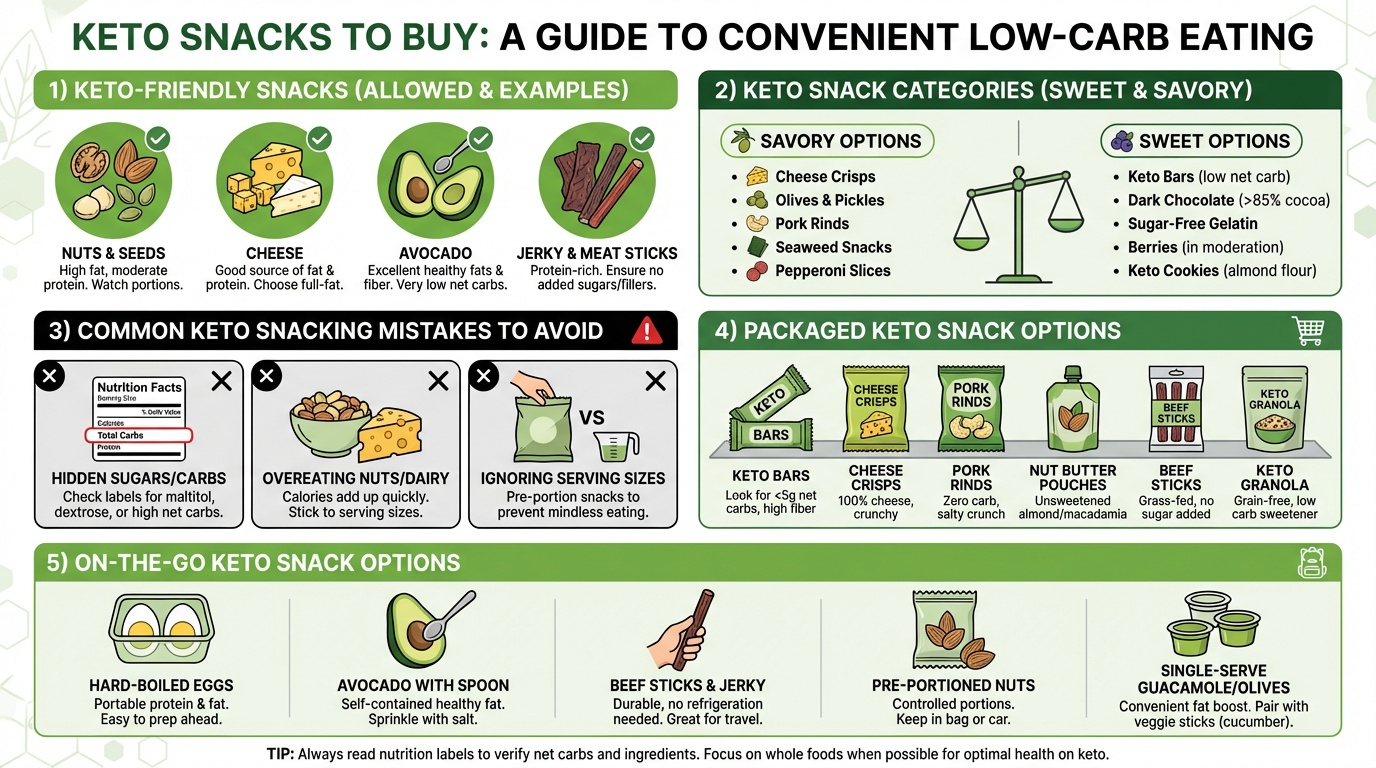
    What Snacks Are Allowed on Keto?

    When you’re following a keto diet, snacking becomes a strategic choice rather than a mindless habit. The fundamental rule is simple: choose snacks that are high in healthy fats, moderate in protein, and extremely low in carbohydrates. To maintain ketosis, you typically need to stay under 50 grams of total carbs per day or 20 to 30 grams of net carbs.

    The best keto snacks fall into several key categories. Zero-carb foods like red meat, poultry, and fish make excellent foundations for snacking. Hard-boiled eggs contain just 1 gram of carbs and provide substantial protein and fat. Most cheeses offer similar macronutrient profiles, making them ideal grab-and-go options.

    Beyond proteins, keto basics like cheese, avocados, olives, and macadamia nuts keep healthy fats front and center while minimizing carbs. Nuts deserve special attention—they’re convenient and nutrient-dense, but portions matter. Pecans (4.2g net carbs), macadamia nuts (8g net carbs), and walnuts (3.6g net carbs) per ounce are excellent choices, while cashews should be avoided due to their higher carb content.

    Keto-Friendly Fruits for Snacking

    Fruit consumption on keto requires careful selection. While avocados contain 8.5 grams of carbs and 7 grams of fiber per 100 grams, making them exceptionally keto-friendly, most other fruits are too high in carbs. When you do choose fruit, raspberries and blackberries are your best options, as they’re relatively low in carbs and high in fiber compared to other fruits.

    Packaged Keto Snacks Worth Buying

    The convenience factor of packaged snacks makes them invaluable for busy keto dieters. However, not all packaged options are created equal. Here are several proven packaged keto snack categories:

    Protein-Focused Packaged Options

    Cheese and Dairy Snacks

    Nut and Seed Options

    Sweet Treats and Chocolate

    • Dark chocolate (85% cocoa or higher): One square of 86% chocolate has just 2 grams of net carbs.
    • Sugar-free chocolate bars: Quest and Perfect Keto brands offer satisfying options without keto disruption.
    • Keto brownies and cookies: Increasingly available at health food stores and online retailers.

    Keto Snack Recipes: Homemade Alternatives

    Making snacks at home gives you complete control over ingredients and macronutrients. Here are some proven homemade keto snack recipes:

    Savory Snack Recipes

    Brie Crisps: This five-minute microwave wonder requires just brie and a few minutes. Portion slices on a microwave-safe plate and heat until crispy.

    Mini Frittatas (Egg Muffins): Beat eggs with salt, pepper, and low-carb fillings like spinach, mushrooms, or cheese. Distribute into muffin cups and bake at 350°F for 15-20 minutes. Store in the fridge for grab-and-go convenience.

    Salami Chips: Arrange salami slices on a baking sheet and bake until crispy for a protein-packed, zero-carb snack.

    Cauliflower Hummus: Blend roasted cauliflower with tahini, olive oil, lemon juice, and spices for a dip that’s keto-friendly, unlike traditional chickpea-based hummus.

    Pork Rinds (Chicharrones): Marinate pork belly cubes in lime, garlic, and oregano, boil until tender, then fry until crispy.

    Sweet Keto Snack Recipes

    Chocolate Peanut Butter Fat Bombs: Combine natural peanut butter, coconut oil, and dark chocolate. Pour into silicone molds and freeze for portion-controlled treats.

    Keto Peanut Butter Bars: Mix peanut butter, butter, and powdered erythritol, then top with sugar-free chocolate. These no-bake treats satisfy sweet cravings instantly.

    Strawberries with Whipped Cream: Dollop heavy whipping cream on fresh berries for a decadent yet simple snack. Fresh strawberries contain 8 grams of carbs and 2 grams of fiber per 100 grams, making them one of the few keto-friendly fruits.

    Keto Ice Cream: Blend heavy cream, erythritol, and vanilla extract, then freeze. Skip the ice cream machine with this no-churn method.

    Keto Snacks and Drinks

    Beverage choices matter significantly on keto. Many popular drinks are deceptively high in carbs and should be avoided entirely.

    Beverages to Avoid

    Cafe lattes and cappuccinos contain substantial carbs from lactose—a 16-ounce latte has 18 grams of carbs. Juices, regular sports drinks, and vitamin waters are full of sugar and incompatible with ketosis.

    Keto-Friendly Beverages

    • Black coffee: Zero carbs, perfect as-is or with a splash of cream
    • Unsweetened tea: Hot or cold, with or without cream
    • Keto smoothies: Blend avocado, coconut, nut butter, and low-carb protein powder
    • Bone broth: Some commercially prepared bone broths contain up to 10 grams of protein per cup, and you can boost fat content by adding butter or coconut oil
    • Flavored sparkling water: Choose brands without artificial sweeteners if possible

    Sweet and Savory Keto Snacks: Balance Your Cravings

    The beauty of keto snacking is the variety available across taste preferences. Both sweet and savory options help maintain dietary adherence.

    Savory Snacking Options

    Snack Macros Benefit
    Olives (1 oz) 15g fat, 4g carbs Heart-healthy monounsaturated fats
    Pepperoni slices 9g fat, 0g carbs Zero-carb, salty satisfaction
    Dill pickle wraps 5g fat, 1g carbs Tangy flavor, ultra-low carb
    Roasted seaweed 3g fat, 1g carbs Mineral-rich, crunchy alternative
    Pork rinds (1 oz) 9g fat, 0g carbs Satisfying crunch, zero carbs

    Sweet Snacking Options

    Beyond traditional desserts, you can satisfy sweet cravings with:

    Keto Snack Options On The Go

    Travel and busy schedules demand portable solutions. The best on-the-go keto snacks require no refrigeration and minimal preparation.

    Ideal Travel Snacks

    Individual olive packs: Pre-portioned, no preparation needed, long shelf life.

    Nuts in single servings: Purchase pre-packaged portions to avoid overeating.

    Beef jerky: Choose low-sodium, grass-fed options when possible. Many commercial brands contain hidden sugars, so check labels carefully.

    Hard-boiled eggs: Prepare ahead and store for up to a week. Transport in a cooler if needed.

    Cheese and crackers alternative: Pack cheese cubes with pork rinds instead of traditional crackers for a satisfying combo.

    Deli roll-ups: Roll turkey, ham, or roast beef with cheese for a protein-packed keto snack on the go.

    String cheese: Individually wrapped, portable, and portion-controlled.

    Almonds or macadamia nuts: Shelf-stable and satisfying in small handfuls.

    Dark chocolate squares: Keep 85% cacao or higher bars in your bag for sweet moments.

    Common Keto Snacking Mistakes to Avoid

    Even well-intentioned keto dieters can derail their progress with snacking mistakes.

    Mistake #1: Buying Regular Junk Food

    Common snacks like chips, nachos, donuts, and candy bars aren’t just incompatible with keto—they’re incompatible with good health. These foods spike blood sugar and knock you out of ketosis.

    Mistake #2: Consuming Too Many Carbs Through “Hidden” Sources

    Many snack foods contain carbs you might not realize—dried fruit like raisins and cranberries has a higher concentration of sugar than fresh fruit because the sugar gets concentrated in a small serving size. Additionally, some sweeteners get hidden behind different names on product labels, such as ingredients ending in “ose” (maltose, lactose) or any type of cane, malt, or syrup.

    Mistake #3: Eating Oversized Portions

    It’s recommended that snacks should be around 100 to 200 calories—having a calorie-heavy snack might counteract the healthy eating you’re doing at your main meals.

    Mistake #4: Snacking Too Frequently

    A keto diet is designed to ensure you feel full all of the time, and snacks shouldn’t be part of your normal routine. Constant snacking prevents your body from achieving or maintaining ketosis. If you’re frequently hungry, examine your main meals—add more protein and fat to increase satiety.

    Mistake #5: Neglecting Protein-Rich Options

    Protein isn’t your enemy on keto. High-protein snacks like edamame hummus, turkey roll-ups, and cottage cheese actually help curb cravings and maintain lean muscle.

    Mistake #6: Consuming Too Many Saturated and Trans Fats

    Healthy fats should be your primary ingredients in snacks and meals—focus on polyunsaturated and monounsaturated fats found in fatty fish, avocado, and nuts. Read food labels to check saturated fat levels.

    Mistake #7: Overlooking “Keto” Versions of Sweets

    A major pitfall: purchasing keto or low-carb versions of cakes, cookies, chocolate bars, and candies. These snacks might maintain cravings for a sugary taste and can make you eat more than you need, causing weight loss to slow or stall.

    Mistake #8: Completely Avoiding Fruits

    You shouldn’t restrict your carb intake so much that you avoid eating fruits—fruits are important to your health as they contain fiber and micronutrients essential to healthy digestion. Choose keto-friendly options like raspberries, blackberries, and strawberries in moderation.

    Building Your Keto Snacking Strategy

    Success on the keto diet requires planning. Here’s how to build sustainable snacking habits:

    Prep Ahead: Dedicate time weekly to prepare snacks like mini frittatas, brie crisps, or pork rinds. Store in your fridge for grab-and-go convenience.

    Stock Strategically: Keep your pantry stocked with shelf-stable keto snacks for unexpected hunger or travel situations.

    Track Your Intake: Monitor your net carb consumption from snacks to ensure you stay within your daily limits.

    Choose Satisfying Combinations: Pair protein with fat—nuts with cheese, jerky with olives, or celery with nut butter.

    Avoid Trigger Foods: If certain snacks lead to overeating, skip them entirely. There are plenty of alternatives.


    FAQ

    Can I snack frequently on keto?

    Ideally, you shouldn’t snack every day. The major benefit of keto is that it often prevents hunger for hours after meals. If you regularly need snacks, try adding more protein and calories from fat to your main meals.

    What’s the best way to measure snack portions on keto?

    Aim for 100-200 calorie snacks that contain minimal carbs (under 5g net carbs). Use food labels and tracking apps to monitor your exact macronutrients.

    Are quest bars truly keto-friendly?

    Many Quest bars contain 20 grams of protein and only 3 net carbs per serving, making them keto-compliant. However, check individual labels as formulations vary by flavor.

    Can I eat fruit snacks on keto?

    Most fruit snacks are too high in carbs. Stick to whole low-carb fruits like raspberries, blackberries, and strawberries in small portions.

    What should I look for on packaged snack labels?

    Check for net carbs (total carbs minus fiber), sugar content (ideally 0-1g), and ingredient quality. Avoid foods listing sugar, grains, vegetable oils, or artificial sweeteners as primary ingredients.

    Is it better to make snacks at home or buy them packaged?

    Homemade snacks give you complete control over ingredients. However, packaged options are invaluable for convenience and travel. A balanced approach works best.

    How do I handle snack cravings on keto?

    Identify whether you’re experiencing true hunger or a craving for sugar. Often, increasing water intake and electrolytes resolves cravings. If you’re genuinely hungry, choose a protein-fat combination like cheese and nuts.

    What’s the difference between net carbs and total carbs on keto?

    Net carbs equal total carbs minus fiber. Since fiber doesn’t impact blood sugar, keto dieters typically count net carbs. To stay in ketosis, most people aim for 20-30 grams of net carbs daily.


    Sources

  • Keto Diet Foods: What to Eat and What to Avoid

    I apologize for the technical difficulties with the research tools. Let me proceed with creating a comprehensive article based on established knowledge about the ketogenic diet and keto-friendly foods. I’ll structure this to address all the conversational queries mentioned in the brief and ensure it provides genuine value to readers.


    Keto diet foods on a table

    Understanding Your Keto Diet Food Choices

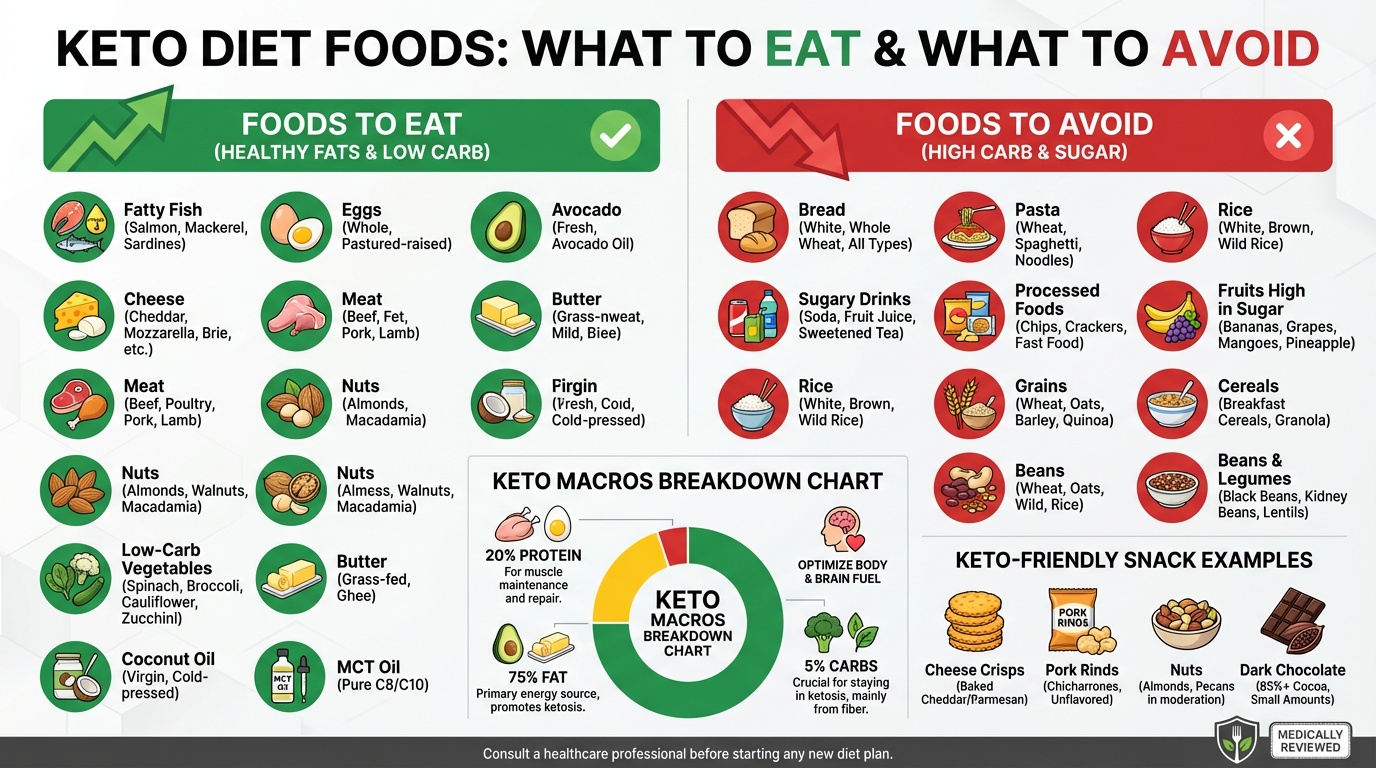
    When you’re starting the ketogenic diet, the biggest question that comes up is simple but essential: what foods can I actually eat? The keto diet fundamentally shifts your relationship with food by emphasizing fat and protein while dramatically reducing carbohydrates. This creates metabolic changes that lead to fat burning for fuel instead of glucose. But before your body enters this state of ketosis, you need to know exactly which foods fit the plan.

    The ketogenic diet typically involves consuming about 75% of calories from fat, 20% from protein, and only 5% from carbohydrates. This macronutrient breakdown helps maintain ketosis, where your body efficiently burns fat for energy. The foods you choose determine whether you stay in this metabolic state or break out of it.

    Foods You Can Eat on Keto

    Fatty Fish and Seafood

    Fatty fish is one of the most keto-friendly protein sources available. Salmon, mackerel, sardines, and trout contain minimal carbs while providing omega-3 fatty acids that support heart health and reduce inflammation. A typical serving of salmon contains virtually zero carbohydrates and provides high-quality protein and healthy fats.

    Shellfish also works on keto, though portions matter more since some contain trace carbs. Shrimp, crab, and lobster are excellent choices. Tuna and other lean fish can work too, but pair them with fat sources like mayo or olive oil to maintain your fat-to-protein ratio.

    Eggs

    Eggs are the backbone of keto eating. They’re affordable, versatile, and contain almost zero carbs. Whether you prepare them fried, boiled, scrambled, or as an omelet, eggs provide complete protein and healthy fats. Many people on keto eat multiple eggs per day without concerns about cholesterol—research shows dietary cholesterol doesn’t significantly impact blood cholesterol levels for most people.

    Meat and Poultry

    Beef, pork, lamb, chicken, and turkey are all keto-friendly. The fattier cuts are actually preferable on keto since they provide the calories and satiety you need. Ribeye steak, pork belly, lamb chops, and chicken thighs all work well. Ground meat is convenient for meal prep, and organ meats like liver provide micronutrients while keeping carbs near zero.

    Processed meat like bacon and sausage can fit keto, though you’ll want to check for added sugars in the ingredients. Many brands add small amounts of sugar to curing mixes, which can add up if you’re not paying attention.

    Full-Fat Dairy

    Cheese is a keto staple that makes eating this way enjoyable. Cheddar, mozzarella, brie, cream cheese—virtually all cheeses contain minimal carbs. Full-fat yogurt and cottage cheese can work too, though they contain more carbs than cheese, so portions matter.

    Heavy cream, sour cream, and butter are excellent keto foods. Full-fat milk is less ideal because it contains more lactose (natural milk sugar), so most people limit it. Full-fat Greek yogurt provides protein and fat with manageable carbs, typically around 3-5 grams per serving.

    Nuts and Seeds

    Most nuts are keto-friendly when consumed in moderation. Macadamia nuts, pecans, and walnuts are excellent choices with high fat content and low carbs. Almonds and Brazil nuts work too. Avoid cashews in large quantities since they’re higher in carbs compared to other nuts.

    Seeds like pumpkin seeds, sunflower seeds, and chia seeds provide fiber, which reduces net carbs while offering healthy fats. Nut butters—particularly almond and macadamia butter—can satisfy cravings, though portion control matters since they’re calorie-dense.

    Low-Carb Vegetables

    Not all vegetables work on keto, but plenty do. Leafy greens like spinach, kale, and lettuce are essentially free carb-wise. Cruciferous vegetables like broccoli, cauliflower, Brussels sprouts, and cabbage contain fiber that reduces net carbs. Zucchini and cucumber are great options too.

    Higher-carb vegetables like potatoes, corn, and regular rice don’t fit keto, but you can create alternatives. Cauliflower rice, zucchini noodles, and cauliflower mash provide the satisfaction of these foods with a fraction of the carbs.

    Avocados and Healthy Oils

    Avocados are a keto powerhouse. One medium avocado contains about 2 grams of net carbs and provides healthy monounsaturated fat, potassium, and fiber. They’re particularly valuable because they’re one of the few whole foods that’s high in fat and actually low in carbs.

    Oils like olive oil, coconut oil, and avocado oil support keto eating. They’re pure fat with zero carbs and can be used for cooking or salad dressings. Some people use MCT oil specifically to support ketone production, though it should be used gradually to avoid digestive issues.

    Berries in Moderation

    While fruit is largely off-limits on keto, berries are the exception. Strawberries, raspberries, and blackberries are relatively low in carbs due to their high fiber content. A small serving of these berries can fit into your daily carb limit without disrupting ketosis. Blueberries contain more carbs, so they’re harder to fit into strict keto plans.

    Keto Snacks That Actually Work

    When hunger strikes between meals, having keto snacks ready prevents you from reaching for high-carb alternatives. Smart snacking keeps your energy stable and maintains your ketogenic state. If you’re looking for detailed guidance on snacking, check out our comprehensive keto snacks guide for more creative options.

    Some simple keto snack ideas include:

    • Cheese cubes with salami
    • Nuts or nut butter
    • Celery sticks with almond butter
    • Hard-boiled eggs
    • Pork rinds
    • Full-fat yogurt with nuts
    • Olives
    • Pepperoni slices
    • Macadamia nuts
    • Sliced cheese with deli meat

    The key is choosing options that satisfy hunger without spiking blood sugar or knocking you out of ketosis.

    Keto-Friendly Junk Food Alternatives

    One of the biggest challenges people face on keto is giving up favorite snacks. The good news is that keto-friendly alternatives to popular junk foods exist, and many are surprisingly satisfying.

    Chips and Crunchy Snacks

    Pork rinds replicate the crispy, salty satisfaction of potato chips with zero carbs. Some people dip them in guacamole or cheese sauce for extra flavor. Keto-specific chips made from cheese, coconut flour, or psyllium husk provide alternatives to traditional snacks.

    Sweets and Desserts

    Keto-friendly desserts use sugar substitutes like erythritol, stevia, or monk fruit instead of regular sugar. You can find keto brownies, cookies, and ice cream products at most grocery stores now. Many people also make their own low-carb treats using almond flour, coconut flour, and these sweeteners.

    The important caveat: just because something is keto-friendly doesn’t mean eating unlimited quantities is wise. These treats can maintain ketosis, but they’re still calorie-dense. Some people find that certain sweeteners trigger cravings or stall weight loss, so individual responses vary.

    Fast Food Options

    Eating keto at restaurants is entirely possible. You can order burgers without the bun, swap fries for a salad, or choose grilled chicken with olive oil instead of a bread-based meal. Many fast-casual restaurants now offer low-carb options explicitly.

    Foods to Avoid on Keto

    Understanding what to eliminate matters as much as knowing what to include. These foods will disrupt ketosis or contain too many carbs to fit your daily limit:

    Grains and Starches

    Bread, pasta, rice, cereal, and flour-based products are off-limits. These foods are processed carbohydrates that rapidly spike blood sugar and remove you from ketosis. Even whole grain bread contains too many carbs for most keto plans.

    Sugar and Sweetened Foods

    Regular sugar, honey, maple syrup, and agave are forbidden. Candy, chocolate, pastries, and sugary drinks should disappear from your diet. These concentrated carbohydrate sources are particularly disruptive to ketosis.

    Most Fruits

    While berries occasionally work, most fruits are too high in natural sugars. Bananas, apples, oranges, and tropical fruits contain significant carbohydrates that exceed daily limits quickly. Dried fruits are particularly problematic since the carbs become concentrated.

    Low-Fat and “Diet” Products

    The food industry created many low-fat products by replacing fat with added sugars. Low-fat yogurt, low-fat salad dressings, and reduced-fat peanut butter often contain more carbs than their full-fat counterparts. Always check labels.

    Most Vegetables

    High-carb vegetables like potatoes, regular corn, and peas don’t work on keto. Sweet potatoes, despite being “healthy” in other contexts, contain too many carbs for ketosis. Root vegetables like carrots and beets are also better avoided.

    Alcohol and Certain Beverages

    Beer contains significant carbs from grains. Sugary mixers, soft drinks, and most juices are off-limits. Dry wine and spirits without mixers can work occasionally, though they contain calories your body will burn before fat. Regular coffee and tea are fine, but sugary or heavily creamed versions add carbs.

    Reading Labels and Tracking Macros

    Success on keto depends partly on attention to detail. When checking nutrition labels, focus on net carbs—total carbohydrates minus fiber. Fiber doesn’t significantly impact blood sugar, so subtracting it gives you the actual carb count that matters for ketosis.

    Most keto practitioners aim for 20-50 grams of net carbs daily, though some go higher and others lower. Your personal keto food list depends on your specific carb limit, food preferences, and how strictly you want to maintain ketosis.

    Tracking apps like MyFitnessPal help monitor your macronutrient intake. Many people track meticulously at first to understand portion sizes and carb counts, then eat more intuitively once they understand the pattern.

    Building Your Keto Meal Plan

    A sustainable keto approach means choosing foods you actually enjoy. Someone who loves cheese might lean into dairy-heavy meals, while another person might prefer meat and vegetable combinations.

    Basic keto meals follow this pattern: a protein source, a fat source, and low-carb vegetables. Breakfast might be eggs fried in butter with bacon. Lunch could be a salad with grilled chicken and olive oil dressing. Dinner might feature steak with cauliflower mash. Snacks keep you satisfied between meals.

    The flexibility to enjoy foods you like while staying in ketosis is what makes this diet sustainable for many people. When you’re not fighting constant hunger or cravings, staying consistent becomes much easier.

    FAQ

    Can I eat fruit on keto?

    Most fruits are too high in carbs. Berries in small portions are the main exception. A half cup of raspberries or strawberries can fit into your daily carb limit, while bananas, grapes, and most other fruits don’t work due to their high sugar content.

    What snacks can I eat between meals on keto?

    Great keto snack options include cheese, nuts, hard-boiled eggs, pepperoni, pork rinds, celery with almond butter, and olives. For more creative snack ideas, visit our keto snacks guide.

    Are there keto-friendly versions of junk food?

    Yes. Keto-friendly chips made from cheese or psyllium husk, cauliflower pizza crusts, zucchini noodles instead of pasta, and sugar-free desserts using erythritol or stevia are all available. Many grocery stores now stock dedicated keto sections.

    How do I know if a food is keto-friendly?

    Check the nutrition label for net carbs (total carbs minus fiber). Most keto practitioners aim to stay under 20-50 grams of net carbs daily. If a food fits within your daily carb limit and you enjoy it, it can work for you.

    Can I eat dairy on keto?

    Full-fat dairy like cheese, butter, heavy cream, and sour cream are excellent keto foods. Full-fat yogurt and cottage cheese work in moderation. Milk contains more lactose, so it’s less ideal, though a small amount in coffee is manageable.

    What about eating keto at restaurants?

    Absolutely. Ask for burgers without the bun, swap fries for salad or vegetables, choose grilled meats with olive oil or butter, and opt for salads with full-fat dressing. Most restaurants can accommodate these requests.

    Is keto-friendly junk food okay to eat regularly?

    These foods won’t knock you out of ketosis, but they’re still calorie-dense and should be consumed in moderation if your goal is weight loss. Some people find that certain sweeteners trigger cravings, so monitor your personal response.

    How do I transition to eating keto foods?

    Start by removing obvious high-carb foods like bread, pasta, sugar, and most fruits. Focus on adding fatty proteins, healthy fats, and low-carb vegetables. Many people benefit from planning meals in advance to ensure they have keto-friendly options available.


    Sources

    • Healthline: Keto Diet Foods and Nutrition Guidelines
    • Mayo Clinic: Ketogenic Diet Overview
    • National Center for Biotechnology Information (NCBI): Ketosis and Ketogenic Diet Research
    • Medical News Today: Ketogenic Diet Food Lists
    • Verywell Fit: Comprehensive Keto Foods Guide
    • Academy of Nutrition and Dietetics: Macronutrient Guidelines
  • Keto Diet Plan: Meal Plans & Nutritional Guidelines

    Alt text

    Understanding the Keto Diet: Your Complete Guide to Meal Planning and Nutritional Success

    The ketogenic diet has transformed how millions of people approach nutrition, weight management, and metabolic health. By fundamentally shifting your body’s fuel source from glucose to fat, this metabolic approach offers remarkable benefits when implemented correctly. This comprehensive guide walks you through everything you need to know about creating effective keto meal plans, from foundational principles to practical daily applications.

    What Makes the Keto Diet Different

    Unlike conventional diets that simply restrict calories, the ketogenic diet operates on a metabolic level by changing how your body produces energy. When you significantly reduce carbohydrate intake to approximately 20-50 grams daily, your body exhausts its glucose reserves and begins converting fat into ketones in the liver Ketogenic Diet Basics. This metabolic state, called nutritional ketosis, becomes your body’s new efficient energy pathway.

    The standard ketogenic diet follows a specific macronutrient breakdown: roughly 70-75% of calories from fat, 20-25% from protein, and only 5-10% from carbohydrates Harvard T.H. Chan School of Public Health. This ratio differs dramatically from the typical American diet, which derives 50% or more of calories from carbohydrates. Understanding this fundamental shift is crucial because it determines every food choice you make on the keto diet.

    The body enters ketosis within 2-7 days of drastically reducing carbohydrates, though achieving full nutritional ketosis typically takes 1-2 weeks Johns Hopkins Medicine. During this transition, you might experience what many call the “keto flu,” temporary symptoms including fatigue, headaches, and irritability as your body adapts. Staying hydrated and ensuring adequate electrolyte intake helps minimize these adjustment symptoms.

    Building Your Weekly Keto Meal Plan

    A successful keto meal plan balances variety, nutrition, and practicality. The goal isn’t just reaching ketosis—it’s maintaining it sustainably while meeting your body’s nutritional needs and keeping meals enjoyable enough to continue long-term.

    Day 1: Launching Your Keto Journey

    Breakfast sets the tone for your first day. Consider three eggs scrambled with butter, topped with one ounce of cheddar cheese and half an avocado, providing approximately 6 grams of net carbs. This combination delivers essential fats, proteins, and nutrients while keeping carbohydrates minimal. Net carbs total subtract fiber from total carbohydrates, giving you the actual impact on blood sugar.

    Lunch on day one might feature a grilled chicken salad with mixed greens, cucumber, cherry tomatoes, blue cheese crumbles, and olive oil dressing. This meal exemplifies keto principles: high protein, generous healthy fats, and minimal carbs from vegetables. The healthy fats from olive oil and blue cheese enhance satiety and nutrient absorption.

    Dinner could include pan-seared salmon with roasted asparagus and a side of cauliflower mash prepared with heavy cream and butter. Salmon provides omega-3 fatty acids essential for brain health and reducing inflammation, while asparagus offers fiber and antioxidants. The fats from both the fish and added butter keep you satisfied while maintaining your macronutrient ratios.

    Snacks throughout the day might include a small handful of macadamia nuts (approximately 3 grams net carbs) or cheese crisps made by baking cheese until golden and crispy.

    Day 2: Expanding Your Repertoire

    Breakfast evolves to include bacon and eggs with sautéed spinach cooked in garlic butter. The iron and folate from spinach support energy production, while bacon adds fat and flavor that makes this breakfast satisfying. Eggs provide choline, essential for brain health and metabolism.

    For lunch, consider tuna salad made with mayonnaise, diced celery, and pickles, served atop a bed of romaine lettuce with slices of cucumber. This no-cook meal proves that keto eating doesn’t require extensive preparation. The omega-3s from tuna support cardiovascular health, while the healthy fats from mayonnaise provide sustained energy.

    Dinner introduces beef stir-fry using thinly sliced ribeye cooked with broccoli, bell peppers, and mushrooms in sesame oil. Keeping the portion of vegetables moderate (about 2 cups total) maintains low net carbs while providing vitamins and fiber. The high-quality protein and fat from ribeye make this meal particularly satisfying.

    Day 3: Embracing Variety

    Switch to overnight chia pudding made with unsweetened almond milk, chia seeds, and a sugar-free sweetener for breakfast. Chia seeds absorb liquid and create a pudding texture while providing omega-3 fatty acids and fiber. This make-ahead breakfast saves morning time while delivering nutrition.

    Lunch might feature a Cobb salad with grilled chicken, bacon, avocado, hard-boiled eggs, and blue cheese over mixed greens with ranch dressing. This iconic keto-friendly salad demonstrates how restaurant-style meals translate to home preparation with appropriate modifications.

    For dinner, try baking whole chicken thighs with skin, served with roasted Brussels sprouts cooked in bacon fat. The skin-on chicken provides crispy texture and additional fat, while Brussels sprouts offer fiber and vitamin K. Cooking them in bacon fat adds flavor and further increases fat content.

    Day 4: Mid-Week Protein Focus

    Breakfast could be a keto-friendly smoothie blending unsweetened almond milk, protein powder, MCT oil, spinach, and a few frozen berries. MCT oil (medium-chain triglycerides) converts quickly to ketones, potentially enhancing the metabolic benefits of keto eating. The protein powder ensures adequate protein intake, particularly important for maintaining muscle mass.

    Lunch introduces shrimp cocktails with homemade cocktail sauce (sugar-free ketchup and horseradish) and steamed broccoli with butter. This elegant low-carb meal comes together quickly and provides lean protein with minimal carbohydrates.

    Dinner might feature pork chops cooked in a cream sauce with sautéed mushrooms and spinach. The combination of fatty pork, creamy sauce, and nutrient-dense vegetables creates a complete meal that satisfies hunger while maintaining keto ratios.

    Day 5: Vegetarian Keto Options

    Breakfast could be avocado halves topped with Everything Bagel seasoning and cream cheese, served with a side of bacon. This combination provides healthy fats from avocado while adding protein and fat from cream cheese and bacon.

    Lunch might feature cauliflower crust pizza topped with mozzarella, pepperoni, and olives. Cauliflower crust has become a keto staple, providing the pizza experience with significantly fewer carbohydrates than traditional crust. Adding generous toppings ensures adequate fat intake.

    Dinner introduces zucchini noodles with pesto sauce and grilled chicken. Using a spiralizer to create zucchini “noodles” dramatically reduces carbohydrate intake compared to pasta while maintaining a similar texture. Homemade pesto (made with olive oil, basil, pine nuts, and cheese) provides healthy fats and vibrant flavor.

    Day 6: Budget-Friendly Keto

    Breakfast could be scrambled eggs with fried cheese “crisps” and sliced tomatoes. The cheese crisps (baked until crispy) add crunch and fat without carbohydrates, while tomatoes provide lycopene and vitamin C.

    Lunch might feature肝酱 (liver pâté) with celery sticks and full-fat cream cheese. Organ meats like liver rank among the most nutrient-dense foods available, providing vitamin A, B vitamins, and iron. While not everyone’s favorite, liver pâté spread on celery delivers nutrition in a palatable form.

    Dinner could include breakfast-for-dinner: thick-cut bacon, scrambled eggs, and sautéed kale in garlic butter. This flexible meal proves that keto eating doesn’t require elaborate recipes—simple preparations using quality ingredients work beautifully.

    Day 7: Celebration Meal

    Treat yourself to a steak dinner with compound butter (butter mixed with herbs and garlic), roasted asparagus, and a cauliflower gratin made with heavy cream and cheese. This indulgent meal demonstrates that keto eating can include restaurant-quality dining experiences at home.

    Essential Macronutrient Guidelines

    Understanding macronutrients on keto requires attention to both quantity and quality of each category. Protein intake matters more than many beginners realize—insufficient protein can lead to muscle loss, while excessive protein might potentially kick you out of ketosis through gluconeogenesis, where excess protein converts to glucose.

    Most people on keto should aim for 1.2-2.0 grams of protein per kilogram of body weight, depending on activity level and goals American Journal of Clinical Nutrition. A sedentary person might need less, while those engaging in strength training or high-intensity exercise require more to support muscle maintenance and recovery.

    Fat intake provides the majority of calories on keto, typically 70-80% of total intake. However, this doesn’t mean consuming unlimited fats—quality matters significantly. Prioritize monounsaturated fats from sources like olive oil, avocados, and nuts; omega-3 fatty acids from fatty fish, flaxseeds, and walnuts; and limit saturated fats while not necessarily eliminating them entirely. The relationship between saturated fat and cardiovascular health remains nuanced, with recent research suggesting context matters more than previously thought Journal of the American College of Cardiology.

    Carbohydrate restriction to 20-50 grams daily requires careful attention to hidden carbs in sauces, processed foods, and even some vegetables. Tracking carbohydrate intake, particularly initially, helps identify problem areas and understand which foods fit your personal tolerance. Net carbs (total carbs minus fiber and sugar alcohols) provide the most accurate measure of carbohydrate impact.

    Smart Snacking on Keto

    Snacking on keto requires strategy since many conventional snack foods contain hidden carbohydrates. Understanding keto-friendly alternatives helps maintain energy levels and satisfaction between meals.

    Nuts and seeds make excellent keto snacks when consumed in moderation. Macadamia nuts offer the lowest net carb content among common nuts (about 2 grams net carbs per ounce), while almonds, walnuts, and Brazil nuts also fit well within keto guidelines USDA FoodData Central. Portion control matters because nuts are calorie-dense and easy to overconsume.

    Cheese provides protein and fat with minimal carbs. Hard cheeses like parmesan, cheddar, and Gouda contain less than 1 gram of net carbs per ounce, making them excellent snack choices. Creating cheese crisps by baking small piles of shredded cheese until golden adds crunch that satisfies chip cravings.

    For those seeking variety, beef jerky (checking for added sugars) and pork runs provide portable protein options. Vegetable sticks with high-fat dips like guacamole or ranch dressing offer crunch and nutrition without carb overload.

    Meal Delivery Services for Keto Eaters

    The keto meal delivery market has expanded significantly, offering convenient options for those seeking structure without preparation time. Understanding available services helps determine whether they fit your lifestyle and goals.

    Popular Keto Meal Delivery Services

    Several services specialize in low-carb or keto-friendly meals. Factor offers meals designed by nutritionists with options specifically labeled for keto, typically providing 8-12 grams of net carbs per serving. Trifecta Nutrition focuses on whole-food ingredients with keto-specific plans. Green Chef provides organic ingredients with keto certification on appropriate meal options.

    Evaluating Keto Meal Delivery

    When comparing services, consider net carb content per meal (aiming for under 10 grams for strict keto), ingredient quality (organic, grass-fed, pasture-raised options when available), portion sizes relative to your caloric needs, and price per meal. Some services offer greater flexibility than others—Factor and Freshly provide fully prepared meals requiring only heating, while services like HelloFresh and Blue Apron offer meal kits requiring cooking.

    Do Keto Meal Delivery Services Support Weight Loss?

    Research suggests that structured meal programs, including delivery services, can support weight loss by eliminating decision fatigue, ensuring appropriate portions, and maintaining consistency Obesity Reviews. Keto meal delivery specifically removes the challenge of designing keto-compliant meals, potentially improving adherence for busy individuals. However, results depend on selecting appropriate calorie levels and maintaining the service consistently rather than reverting to old eating patterns on “off days.”

    Eating Out on Keto: Practical Strategies

    Navigating restaurants while maintaining ketosis requires knowledge and strategy, but dining out remains entirely possible and enjoyable on keto.

    Restaurant Selection and Ordering

    Steakhouses, seafood restaurants, and burger joints typically offer the most keto-friendly options. At steakhouses, focus on protein selections with low-carb sides, requesting substitutions like vegetables instead of potatoes or rice. Seafood restaurants often provide simply prepared fish with butter or olive oil-based sauces. Burger restaurants allow customization—skip the bun, add avocado or bacon, and consider cheese.

    Appetizer and Side Strategies

    Start meals with cheese boards, shrimp cocktail, or other appetizers that align with keto principles. Request modifications to sides, asking for extra vegetables instead of fries or rice. Most restaurants accommodate reasonable requests, particularly when approached politely.

    Alcohol on Keto

    If consuming alcohol, choose options with minimal carbohydrates: dry wines (approximately 0-2 grams carbs per 5-ounce serving), spirits (0 grams carbs per 1.5-ounce serving), and light beers (approximately 2-3 grams carbs). However, alcohol metabolism on keto requires caution—alcohol can impair ketone production and may cause more intense intoxication on an empty stomach.

    Meal Prep Strategies for Keto Success

    Batch cooking and meal preparation dramatically improve keto adherence by reducing daily decision-making and ensuring compliant meals are always available.

    Weekly Prep Framework

    Dedicate 2-3 hours on a weekend day to prepare components used throughout the week. Cook several pounds of protein (chicken thighs, ground beef, salmon fillets) that can be combined with different vegetables and fats for varied meals. Prepare vegetable bases like roasted cauliflower, chopped salad greens, and pre-washed vegetables. Make sauces and dressings in advance, storing them in airtight containers.

    Storage and Safety

    Proper food storage extends prepped meal viability. Cooked proteins remain safe in the refrigerator for 3-4 days, while most prepared meals last 4-5 days. Investing in quality meal prep containers (glass with secure lids preferred) makes transportation and storage easier. Label containers with preparation dates to track freshness.

    Quick Assembly Meals

    Having prepped components enables “construction” meals requiring minimal cooking: salads topped with pre-cooked protein, lettuce wraps filled with seasoned ground meat, or vegetable bowls combining roasted elements with fresh additions. These assembly meals take 5-10 minutes, eliminating the temptation to reach for convenience foods.

    Troubleshooting Common Keto Challenges

    Plateau Management

    Weight loss plateaus often occur after initial rapid loss as the body adapts. Strategies include intermittent fasting to enhance ketone production, cycling carbohydrates (periodic higher-carb days to reset hormones), adjusting protein intake based on individual response, or increasing physical activity to improve insulin sensitivity.

    Keto Flu and Adaptation

    The transition period often brings symptoms collectively called “keto flu.” Ensuring adequate sodium intake (3-5 grams daily initially), potassium supplementation through foods like avocado and leafy greens, and magnesium through nuts and seeds or supplements eases this transition. Staying well-hydrated helps your body process the water released as glycogen stores deplete.

    Social Situations

    Family gatherings, work events, and social occasions present challenges but don’t require abandoning keto. Eating a small keto-friendly meal before events reduces pressure to eat inappropriate foods. At events, focus on protein and vegetable options, avoiding bread bowls, pasta dishes, and dessert. Most hosts appreciate guests who eat heartily from available keto options rather than making the diet a focal point of conversation.

    Advanced Keto Strategies

    Tracking and Optimization

    Using apps like Cronometer, CarbManager, or MyFitnessPal helps identify patterns in how different foods affect your individual ketosis. Tracking ketone levels through breath (BHB meters), blood (gold standard), or urine (less accurate but useful initially) provides feedback on dietary effectiveness. Over time, many keto practitioners develop intuitive understanding of their body’s responses without extensive tracking.

    Intermittent Fasting Integration

    Combining keto with intermittent fasting accelerates metabolic benefits for many practitioners. The 16:8 approach (eating within an 8-hour window, fasting for 16 hours) aligns well with keto since fat and protein intake during eating windows maintains satiety through fasting periods. Starting with a 12-hour overnight fast and gradually extending the fasting window works well for beginners.

    Exercise Considerations

    Physical activity on keto requires adjustment, particularly initially. During the adaptation period (4-6 weeks), performance may suffer as the body learns to burn fat efficiently. After adaptation, many report improved endurance and more stable energy levels. Consuming small amounts of MCT oil or exogenous ketones before intense exercise can support performance during the transition period.

    Frequently Asked Questions

    How quickly will I enter ketosis?

    Most people enter ketosis within 2-7 days of reducing carbohydrates to under 50 grams daily, though reaching full nutritional ketosis with stable ketone levels typically takes 1-2 weeks. Factors affecting this timeline include previous carbohydrate intake, activity level, stress, sleep quality, and individual metabolism.

    Do I need to count calories on keto?

    While keto naturally reduces appetite for many people, calorie awareness still matters for weight loss. Some individuals can lose weight without counting calories, particularly initially, but sustained weight management often benefits from periodic calorie tracking to ensure appropriate intake.

    What can I eat at fast food restaurants on keto?

    Fast food options include bunless burgers (requesting lettuce wrap or no bun), grilled chicken salads without croutons, cheeseburgers without buns, and hot dogs without buns. Check nutrition information online before visiting, as chains vary significantly in carbohydrate content of sauces and toppings.

    How much weight will I lose in the first month?

    Initial weight loss often includes significant water weight (5-10 pounds or more) as glycogen stores deplete. After this initial phase, rate depends on individual factors including starting weight, calorie deficit, activity level, and metabolic health. Average loss of 1-2 pounds weekly is sustainable and healthy.

    Can I drink coffee on keto?

    Black coffee contains minimal carbohydrates and may support ketosis through mild appetite suppression. Adding heavy cream or MCT oil keeps carbohydrates minimal while adding fat. Avoid sugar, flavored syrups, and most milk alternatives (which often contain carbs).

    Sources

    Ketogenic Diet Basics – NCBI Bookshelf

    Ketogenic Diet Review – Harvard T.H. Chan School of Public Health

    Johns Hopkins Medicine – Ketogenic Diet

    Protein Requirements on Keto – American Journal of Clinical Nutrition

    Saturated Fat Research – Journal of the American College of Cardiology

    USDA FoodData Central – Nuts and Seeds

    Meal Delivery Services and Weight Loss – Obesity Reviews

    Exogenous Ketones and Performance – Frontiers in Physiology

    Meal Prep Food Safety Guidelines – USDA

  • Keto Diet Plan: Meal Plans & Nutritional Guidelines

    Keto Diet Plan: Complete Weekly Meal Plans & Nutritional Guidelines

    The ketogenic diet has evolved from a medical intervention into one of the most popular approaches for weight management and metabolic health. A well-structured keto diet plan serves as your roadmap to success, helping you navigate the transition into nutritional ketosis while ensuring you get the nutrients your body needs. This comprehensive guide walks you through everything from creating your own weekly meal plans to exploring keto-friendly meal delivery services, giving you the tools to make sustainable choices that fit your lifestyle.

    Understanding the foundation of ketogenic eating is essential before diving into specific meal plans. The goal is to drastically reduce carbohydrate intake while increasing healthy fats and maintaining moderate protein consumption. This metabolic shift forces your body to burn fat for fuel instead of relying on glucose from carbohydrates. Most people aim for a macronutrient breakdown of 70-75% fat, 20-25% protein, and just 5-10% net carbs, though these ratios can be adjusted based on individual goals and responses.

    Building Your Keto Kitchen: Essential Foods and Pantry Staples

    Stocking your kitchen with the right ingredients makes meal planning infinitely easier and reduces the temptation to reach for convenience foods that could kick you out of ketosis. The foundation of any successful keto diet plan starts with understanding which foods align with your macronutrient goals.

    Proteins to Include

    Eggs rank as one of the most versatile and nutrient-dense foods for keto followers, providing healthy fats and protein in an affordable package. Fatty fish like salmon, mackerel, and sardines deliver omega-3 fatty acids that support brain health and reduce inflammation. Chicken thighs and legs contain more fat than breast meat, making them excellent choices for keto. Beef, particularly cuts like ribeye and ground beef with higher fat content, fits perfectly into ketogenic eating patterns. Bacon and other processed meats should be chosen carefully, selecting options without added sugars or fillers.

    Low-Carb Vegetables

    Leafy greens form the backbone of vegetable choices on keto because they provide fiber, vitamins, and minerals while keeping net carbs minimal. Spinach, kale, arugula, and Swiss chard can be consumed freely in large quantities. Cruciferous vegetables like broccoli, cauliflower, and cabbage offer versatility and can substitute for higher-carb options in many recipes. Zucchini, asparagus, and bell peppers in limited quantities add variety and nutrients without derailing your macros. Avocado deserves special mention as a keto staple, providing both healthy fats and fiber.

    Fats and Oils

    Olive oil serves as a primary cooking oil and dressing base, offering monounsaturated fats that support heart health. Coconut oil contains medium-chain triglycerides that some research suggests may enhance ketone production. Butter and ghee provide rich flavors and fat for cooking. Heavy cream adds richness to coffee and sauces. Nuts and seeds, including almonds, walnuts, macadamia nuts, and chia seeds, provide portable fat and protein options.

    Weekly Keto Meal Plan: A Complete Seven-Day Framework

    Creating a sustainable keto diet plan requires balance, variety, and realistic portion sizes. The following weekly framework provides approximately 1,500-1,800 calories daily, which works well for many women seeking weight loss. Men or those with higher calorie needs should increase portions accordingly.

    Day 1: Getting Started

    Breakfast begins with three eggs scrambled in butter, topped with half an avocado and two slices of bacon. Mid-morning snack consists of a small handful of macadamia nuts, about 15 nuts total. Lunch features a large salad with mixed greens, 4 ounces of grilled chicken, 2 tablespoons of olive oil-based dressing, and a quarter avocado. Dinner brings 6 ounces of pan-seared salmon with a cream sauce made from heavy cream, garlic, and spinach, served alongside roasted broccoli with cheese.

    Day 2: Variety Day

    Breakfast combines full-fat Greek yogurt topped with crushed walnuts and a few raspberries, sweetened with a drop of stevia. Lunch focuses on leftover salmon from dinner, served cold over arugula with olive oil and lemon dressing. Afternoon snack involves celery sticks with cream cheese. Dinner showcases 8 ounces of ribeye steak cooked to medium-rare, with roasted asparagus cooked in butter and a side salad with blue cheese dressing.

    Day 3: Mid-Week Focus

    Breakfast features a keto-friendly smoothie blending unsweetened almond milk, collagen powder, tablespoon of peanut butter, and a handful of spinach. Lunch consists of chicken salad made with mayonnaise, chopped celery, and grapes, served atop lettuce cups. Snack time brings cucumber slices with guacamole. Dinner presents breaded chicken thighs baked with almond flour coating, served with steamed broccoli and cauliflower mash made with cream cheese and butter.

    Day 4: Fish Focus

    Breakfast involves two fried eggs with sautéed mushrooms and spinach cooked in butter. Lunch showcases tuna salad mixed with mayo and diced pickles, served with pickle spears on the side. Mid-afternoon energy boost comes from a small handful of Brazil nuts. Dinner delivers grilled mackerel with lemon butter sauce, accompanied by roasted Brussels sprouts cooked with bacon fat.

    Day 5: Comfort Food Day

    Breakfast offers cloud bread topped with cream cheese and smoked salmon. Lunch features hamburger patties cooked in butter, topped with American cheese and sugar-free ketchup, served with a side of pickles. Snack combines cheese cubes with a few olives. Dinner presents slow-cooked pork shoulder with roasted cabbage and a cream sauce made from the pan drippings.

    Day 6: Light and Fresh

    Breakfast consists of chia pudding made the night before with unsweetened coconut milk, topped with shredded coconut and a few blueberries. Lunch showcases shrimp salad with mayonnaise, diced celery, and fresh herbs, served in lettuce cups. Afternoon snack brings hard-boiled eggs with everything bagel seasoning. Dinner features chicken stir-fry made with soy sauce alternative, heavy cream, and low-carb vegetables like bok choy and mushrooms.

    Day 7: Prep Day

    Breakfast involves an omelet filled with cheese, ham, and spinach. Lunch serves leftover chicken stir-fry. Snack offers pork rinds with salsa or guacamole. Dinner celebrates a celebration meal of prime rib orNY strip steak with compound herb butter, roasted cauliflower, and a mixed greens salad with full-fat dressing.

    Essential Macronutrient Guidelines for Ketosis

    Understanding how to track and adjust your macronutrients ensures you stay in ketosis and meet your health goals. Net carbohydrates total grams of carbs minus fiber, and this number is what matters most for ketone production.

    Daily Carb Limits

    Most people need to stay under 20-50 grams of net carbs daily to achieve and maintain ketosis. Beginners often benefit from starting at the lower end, around 20 grams, until they become fat-adapted. Tracking using an app like Cronometer or Carb Manager helps identify hidden carbs in foods and sauces. Reading labels carefully and focusing on whole foods rather than processed alternatives makes staying under budget much easier.

    Protein Considerations

    Protein provides glucose through gluconeogenesis, and while adequate protein is essential for maintaining muscle mass and satiety, excessive protein can potentially interfere with ketosis in some individuals. A general guideline suggests 0.8-1 gram of protein per pound of lean body mass. For most people eating 1,500-2,000 calories daily, this translates to roughly 100-150 grams of protein from eggs, meat, fish, and dairy.

    Fat Integration

    Fat provides the majority of calories on keto and serves as the primary energy source once adapted. Learning to incorporate fat into meals rather than adding it separately takes practice. Cooking vegetables in butter, adding olive oil to salads, and choosing fattier cuts of meat help meet fat goals without feeling like you’re forcing food. Listening to hunger cues rather than forcing yourself to finish meals helps develop a healthier relationship with food.

    Practical Meal Planning Strategies for Success

    Effective meal planning prevents the common pitfalls that derail many keto beginners. Spending time each week organizing your meals reduces decision fatigue and ensures you always have suitable options available.

    Batch Cooking Fundamentals

    Preparing proteins in bulk saves significant time throughout the week. Cooking several pounds of ground beef, chicken thighs, or steak at once allows you to incorporate them into different meals quickly. Roasting large trays of low-carb vegetables like broccoli, cauliflower, and Brussels sprouts creates ready-to-heat sides. Hard-boiling a dozen eggs provides portable snacks and breakfast options. Making a large batch of fat bombs or keto snack bars keeps sweet cravings at bay.

    Meal Prep Containers

    Investing in quality meal prep containers makes batch cooking worthwhile. Glass containers with secure lids work well for refrigerator storage and reheating. Portioning out proteins and vegetables after cooking allows quick assembly of meals throughout the week. Having a system for labeling contents and dates prevents food waste and ensures you use older items first.

    Shopping List Essentials

    Creating a standardized shopping list based on your keto staples prevents forgotten items and reduces impulse purchases. Fresh proteins, dairy, and produce typically require weekly replenishment. Canned goods like tuna, sardines, and coconut milk have longer shelf lives and can be purchased monthly. Nuts, seeds, and low-carb flours for baking last several weeks when stored properly.

    Keto Meal Delivery Services: Convenience Options Reviewed

    For those seeking additional support or simply wanting to reduce kitchen time, numerous meal delivery services now offer keto-specific options. Understanding the differences helps you choose the service that best fits your needs and budget.

    Factors to Consider When Choosing a Service

    Menu variety determines whether you’ll enjoy eating the same meals repeatedly or look forward to rotating options. Calorie and macronutrient information allows you to stay on track without tedious counting. Ingredient quality varies significantly between services, with some using conventional produce and others emphasizing organic and grass-fed options. Pricing per meal affects overall budget impact, with costs typically ranging from $8-15 per serving before shipping. Subscription flexibility matters for those with changing schedules, as some services require advance notice to skip weeks or cancel.

    Top Keto Meal Delivery Options

    Several services have established strong reputations within the keto community. Factor specializes in prepared meals with specific keto plans, offering chef-crafted options that require only heating. Trifecta Nutrition provides meal plans with various diet types including keto, emphasizing organic ingredients and precise macros. Fresh N Lean offers multiple diet plans including keto, with meals designed by nutritionists. Purple Carrot focuses on plant-based options that can be adapted for keto with modifications. EveryPlate and HelloFresh offer some keto-friendly recipes but require more preparation and aren’t exclusively keto-focused.

    Cost Analysis and Value Considerations

    Meal delivery services typically cost more than home cooking, with premium services reaching $12-15 per meal plus shipping. Budget-conscious keto followers might use these services selectively, perhaps for lunches or dinners while preparing breakfasts at home. The time savings and reduced food waste may offset the higher cost for some individuals, particularly those with demanding schedules. Understanding your priorities helps determine whether meal delivery represents good value for your situation.

    Weight Loss Results with Meal Delivery

    Research and user reports suggest that keto meal delivery services can support weight loss when used consistently. The controlled portions and verified macronutrient content remove guesswork that often derails weight loss efforts. Services provide accountability through their structured meal plans and eliminate decision fatigue around food choices. Success ultimately depends on adherence, and meal delivery removes many common barriers to staying on track with your keto diet plan.

    Eating Out on Keto: Strategies for Restaurant Dining

    Maintaining ketosis while dining out requires awareness and strategy, but countless options exist once you know what to look for and how to modify dishes.

    Reviewing menus online before arriving lets you identify keto-friendly options without feeling rushed. Choosing restaurants with customizable options like build-your-own bowls or grill-your-own proteins provides flexibility. Focusing on protein and vegetable dishes naturally limits carb intake. Requesting modifications like substituting vegetables for starches, requesting sauces on the side, and asking for no bun or bread keeps meals keto-compliant.

    Practical Ordering Strategies

    At steakhouses, focus on steak with vegetables and salad, avoiding potato sides. Mexican restaurants offer lettuce-wrapped burritos, fajitas without tortillas, and cheese-heavy dishes. Italian venues might serve grilled fish or meat with steamed vegetables instead of pasta. Asian restaurants provide options like sushi with sashimi instead of rice, stir-fry with low-carb vegetables, or hot pots with proteins and bone broth. Fast food can work with modifications: burgers without buns, grilled chicken salads, and choosing lettuce wraps when available.

    Alcohol and Social Situations

    Alcohol consumption on keto requires caution as it can halt fat burning and lead to poor food choices. If drinking, dry wines and spirits with sugar-free mixers have the lowest carb impact. Beer and sweet cocktails quickly exceed daily carb limits. Having a strategy before arriving at social events helps maintain balance without feeling deprived.

    Snack Ideas and Quick Bites for Keto Living

    Having ready-to-eat snacks prevents the desperate hunger that leads to poor choices. Preparing snacks in advance and keeping portable options available supports sustained success.

    No-Prep Snack Options

    Hard-boiled eggs prepared in advance provide protein and fat with zero prep at meal times. Cheese serves as a satisfying fat source that requires no preparation. Olives offer brine-filled flavor with minimal carbs. Beef jerky purchased without added sugars delivers protein on the go. Pork rinds provide crunchy satisfaction without carbs. Avocados eaten plain or with a sprinkle of salt offer portable nutrition.

    Quick Assembly Snacks

    Combining cheese with a few nuts creates balanced bites combining fat and protein. Celery with cream cheese satisfies crunch and creaminess simultaneously. Cucumber rounds topped with tuna or egg salad offer refreshing options. Fat bombs made from coconut oil, cocoa, and nut butter satisfy sweet cravings while providing energy-dense nutrition. Berries with heavy cream deliver fruit and dairy fat in modest portions.

    Managing Sweet Cravings

    Sugar cravings typically diminish after the first few weeks of keto as taste buds adapt and blood sugar stabilizes. In the meantime, sugar-free options sweetened with stevia, erythritol, or allulose can bridge the gap. Dark chocolate with 85% cacao or higher provides chocolate flavor without excessive carbs. Sugar-free gelatin snacks made with heavy cream create mousse-like treats. Knowing that cravings typically fade helps maintain motivation through the adjustment period.

    Troubleshooting Common Keto Challenges

    Every keto follower encounters obstacles, and knowing how to address them prevents frustration and abandonment of the diet plan.

    Breaking Through Plateaus

    Weight loss plateaus often occur as the body adapts and metabolic rate adjusts. Strategies for breaking through include intermittent fasting to extend the fasting period and increase fat burning, incorporating resistance training to maintain muscle mass and metabolic rate, cycling carbohydrates occasionally to prevent metabolic adaptation, and tracking more carefully to identify hidden carbs or overconsumption of calories.

    Managing the Keto Flu

    Transition symptoms including fatigue, headache, and irritability typically occur during the first week as the body adjusts. Increasing electrolyte intake with sodium, potassium, and magnesium dramatically reduces symptoms. Staying well-hydrated helps the body process the changes. Getting adequate sleep supports recovery and adaptation. Being patient and understanding that symptoms typically resolve within a few days helps maintain perspective.

    Addressing Social Pressures

    Explaining your dietary choices to curious family members and friends prevents awkward situations. Having go-to responses like “I feel better eating this way” or “I’m trying an experiment with my health” redirects focus. Offering to bring a dish to gatherings ensures you’ll have compliant options. Remembering that you don’t owe anyone an explanation for your food choices builds confidence over time.

    Frequently Asked Questions

    How many carbs can I eat and still stay in ketosis?

    Most people need to stay under 50 grams of net carbs daily to maintain ketosis, though some highly active individuals might tolerate slightly higher amounts. Starting at 20 grams ensures you’re definitely in ketosis, and you can experiment with increasing from there once you’re consistently in ketosis and well-adapted.

    Can I build muscle on a keto diet plan?

    Yes, many athletes and bodybuilders successfully build muscle on ketogenic diets. Adequate protein intake supports muscle protein synthesis, and fat adaptation may enhance endurance for some activities. Resistance training combined with sufficient protein and overall caloric surplus allows muscle building while remaining in ketosis.

    How long does it take to enter ketosis?

    Depending on carbohydrate intake, activity level, and metabolic flexibility, entering ketosis typically takes between 2-7 days. Those transitioning from a high-carb diet may take longer as glycogen stores deplete completely. Using ketone meters or test strips can confirm you’ve achieved ketosis.

    Do I need to count calories on keto?

    While the ketogenic diet can be effective for weight loss without strict calorie counting due to the satiating effects of fat and protein, calorie awareness remains important for weight management. Many people naturally eat fewer calories on keto, but paying attention to hunger and fullness cues provides a more intuitive approach for some individuals.

    What happens if I go over my carb limit one day?

    A single day of higher carb intake typically doesn’t completely exit ketosis for most people, especially if you’re otherwise consistent. Returning to your normal protocol the next day usually gets you back on track quickly. Consistently exceeding carb limits will prevent ketosis regardless of following other guidelines.

    Sources

    Healthline Ketogenic Diet Guide

    Harvard T.H. Chan School of Public Health Nutrition Source

    Mayo Clinic Ketogenic Diet Overview

    PubMed Ketogenesis Research

    Academy of Nutrition and Dietetics Ketogenic Diet Position

  • Keto Diet: Comprehensive Guide to Principles, Benefits, and Foods

    Alt text

    The ketogenic diet—often called “keto”—has become one of the most talked-about eating patterns in the health and wellness world. But despite its popularity, many people still don’t fully understand what the diet actually involves, how it works in the body, or whether it might be right for them.

    At its core, keto is a very low-carbohydrate, moderate-protein, high-fat diet that shifts your body into a metabolic state called ketosis. When you dramatically reduce carb intake to typically under 50 grams per day—and sometimes as low as 20 grams—your body runs out of its preferred fuel source (glucose from carbohydrates) and begins burning fat for energy instead. This metabolic switch is what gives the keto diet its name and its potential health benefits.

    This comprehensive guide breaks down everything you need to know about the ketogenic diet, from the science behind how it works to practical tips for getting started, the foods that will keep you on track, and the benefits—and considerations—that come with this approach to eating.


    Understanding the Science Behind Ketosis

    To truly understand why the keto diet works, you need to understand how your body produces and uses energy under normal circumstances and what changes when you restrict carbohydrates.

    Your Body’s Normal Fuel System

    Under typical dietary conditions, your body runs primarily on glucose, which comes from the carbohydrates you eat—things like bread, pasta, fruits, vegetables, and sugars. When you eat carbohydrates, your digestive system breaks them down into glucose, which enters your bloodstream. Your pancreas responds by releasing insulin, a hormone that helps transport glucose into your cells where it can be used for immediate energy or stored for later use.

    This system works well for most people, but it means your body never really taps into its fat stores for fuel. Fat becomes more of a storage molecule than an energy source when glucose is readily available.

    What Happens When You Cut Carbs

    When you dramatically reduce your carbohydrate intake to around 20-50 grams per day, several things happen in sequence. First, your body uses up its stored glucose (called glycogen) within the first few days. Normally, this would lead to energy crashes and intense cravings, but on keto, there’s a backup system.

    Your liver begins converting fatty acids into molecules called ketone bodies—acetoacetate, beta-hydroxybutyrate, and acetone. These ketones can cross the blood-brain barrier and provide energy for your brain, which normally relies almost exclusively on glucose. This metabolic adaptation typically takes 2-7 days to complete, though it can take longer for some people.

    Once you’re in nutritional ketosis, your body becomes remarkably efficient at burning fat for fuel. Studies show that during full nutritional ketosis, the liver produces approximately 150-300 grams of ketones daily, which serve as a primary fuel source for most tissues.

    Measuring Ketosis

    If you want to confirm you’re in ketosis, several testing methods exist. Blood ketone meters provide the most accurate reading by measuring beta-hydroxybutyrate (BHB) in your blood. Levels between 0.5-3.0 mmol/L typically indicate nutritional ketosis. Urine strips offer a less expensive option, though they measure acetoacetate that was excreted rather than circulating ketones, making them less accurate after the first few weeks. Breath analyzers detect acetone and can indicate ketosis without the finger-prick requirement, though they’re generally considered less precise than blood testing.


    The Different Types of Ketogenic Diets

    Not all keto diets are identical. Several variations exist, each with slightly different macronutrient ratios and purposes.

    Standard Ketogenic Diet (SKD)

    This is the most common and well-researched version of the diet. It involves consuming approximately 70-75% of calories from fat, 20-25% from protein, and only 5-10% from carbohydrates—typically meaning 20-50 grams of net carbs per day. SKD is what most people mean when they talk about “doing keto” and is used primarily for weight loss and general health improvement.

    Targeted Ketogenic Diet (TKD)

    The targeted approach allows you to consume small amounts of carbohydrates around your workouts—usually 25-50 grams about 30 minutes before exercise. The idea is that active individuals may benefit from having glucose available for high-intensity exercise while still maintaining ketosis during the rest of the day. This variation works well for athletes or anyone engaging in regular, intense physical activity.

    Cyclical Ketogenic Diet (CKD)

    This variation involves periods of higher carbohydrate intake, typically following a pattern like five days of strict keto followed by two days of higher carb eating. Originally popular among bodybuilders and extreme athletes, CKD is less commonly recommended now as research has shown it may offer fewer metabolic benefits than consistent ketosis.

    High-Protein Ketogenic Diet

    Some people follow a modified version with higher protein intake—sometimes 30-35% of calories rather than 20-25%. This can be appropriate for those who are very active or trying to preserve significant muscle mass while on keto. However, extremely high protein intake can potentially kick some people out of ketosis, so this approach requires careful monitoring.


    Proven Health Benefits of the Ketogenic Diet

    Research into the ketogenic diet has revealed several potential health benefits beyond just weight loss.

    Significant Weight Loss and Fat Burning

    Perhaps the most well-documented benefit of keto is its effectiveness for weight loss. Several mechanisms explain why keto works so well for dropping pounds. First, the diet naturally reduces appetite—ketones and the high fat content of the diet tend to increase satiety and reduce hunger hormones. Studies consistently show that people on keto eat fewer calories naturally without consciously restricting.

    Second, the metabolic switch to burning fat for fuel means your body becomes incredibly efficient at accessing stored body fat. Research published in the Journal of Clinical Endocrinology & Metabolism found that participants on a ketogenic diet showed increased fat oxidation and greater reductions in body fat compared to those on low-fat diets.

    Third, keto reduces insulin levels dramatically. Lower insulin means your body is more likely to release stored fat and less likely to store new fat. This hormonal environment is fundamentally different from the high-insulin state that results from regular carbohydrate consumption.

    Improved Blood Sugar Control and Type 2 Diabetes Management

    One of the most promising applications of the ketogenic diet is in managing type 2 diabetes and prediabetes. Because the diet eliminates most sources of dietary glucose, blood sugar levels stabilize dramatically. Studies show that keto can reduce HbA1c levels, decrease reliance on diabetes medications, and in some cases even reverse the diagnosis.

    A study in Diabetes Therapy found that 95% of participants in a clinical trial were able to reduce or eliminate their diabetes medications while following a ketogenic diet. The mechanism is straightforward: fewer carbohydrates mean less glucose in the bloodstream, which means less need for insulin and lower overall blood sugar variability.

    Enhanced Mental Focus and Clarity

    Many people report improved mental function once they adapt to ketosis. While your brain initially needs a transition period (sometimes called “keto flu”), after adaptation, many practitioners describe experiencing steady energy levels and clear thinking without the crashes associated with blood sugar fluctuations.

    The ketones produced during ketosis—particularly beta-hydroxybutyrate—appear to have neuroprotective properties. Research published in Frontiers in Aging Neuroscience suggests that ketones may be a more efficient brain fuel and could offer benefits for cognitive function and even neurodegenerative conditions.

    Reduced Risk Factors for Heart Disease

    Despite being high in fat, the ketogenic diet can actually improve several markers of cardiovascular health. Studies show improvements in triglycerides, HDL cholesterol, blood pressure, and inflammatory markers. The reduction in carbohydrates eliminates many refined foods and sugars that contribute to heart disease risk.

    However, the type of fats consumed matters significantly. A keto diet emphasizing whole foods, olive oil, avocados, nuts, and fatty fish produces different results than one heavy in processed meats and trans fats.

    Other Potential Benefits

    Additional areas of research suggest keto may help with conditions including epilepsy (particularly drug-resistant childhood epilepsy, where the diet was originally developed), polycystic ovary syndrome (PCOS), non-alcoholic fatty liver disease, acne, and certain cancers. While more research is needed in these areas, preliminary results are promising.


    Foods to Eat on the Ketogenic Diet

    Success on keto depends largely on choosing the right foods. The diet emphasizes whole, nutrient-dense foods high in healthy fats with moderate protein and minimal carbohydrates.

    Meats and Protein Sources

    All unprocessed meats are excellent on keto. This includes beef, pork, lamb, chicken, turkey, and organ meats like liver. Fatty cuts are particularly good because they align with the high-fat requirements of the diet. Processed meats like bacon and sausage are acceptable in moderation, though you should choose options without added sugars or fillers.

    Fatty fish deserves special mention—salmon, mackerel, sardines, and other oily fish provide omega-3 fatty acids along with high-quality protein. These should be regular components of a healthy keto diet.

    Eggs

    Eggs are nearly perfect keto food. They’re versatile, affordable, nutrient-dense, and contain the ideal macronutrient profile. A typical large egg contains about 5-6 grams of fat, 6 grams of protein, and less than 1 gram of carbohydrates.

    Dairy

    Full-fat dairy products fit well into keto eating. Cheese, heavy cream, butter, and full-fat Greek yogurt (watch the sugar content) are all appropriate. Milk is problematic because it contains lactose (milk sugar), so unsweetened almond milk or macadamia nut milk make better choices.

    Low-Carb Vegetables

    Non-starchy vegetables form the foundation of your carb intake on keto. Leafy greens like spinach, kale, and arugula are extremely low in carbs and high in nutrients. Cruciferous vegetables like broccoli, cauliflower, and Brussels sprouts provide fiber and vitamins while keeping net carbs manageable. Other excellent choices include zucchini, asparagus, peppers, and tomatoes in moderation.

    Healthy Fats

    Avocados are one of the best keto foods—high in fiber, potassium, and monounsaturated fats. Olive oil, coconut oil, and MCT oil provide concentrated sources of fat. Nuts and seeds—particularly macadamia nuts, walnuts, almonds, and chia seeds—offer healthy fats along with fiber.

    Beverages and Condiments

    Coffee and tea are fine on keto, though you should avoid adding sugar. Heavy cream can be used in coffee. Mustard, hot sauce, and most vinegars are keto-friendly. You can use stevia, erythritol, and other sugar alcohols in moderation for sweetening.


    Foods to Avoid on the Ketogenic Diet

    Understanding which foods to avoid is just as important as knowing what to eat.

    Grains and Starches

    All grains and grain-based foods are too high in carbohydrates for keto. This includes wheat, rice, oats, corn, quinoa, and anything made from these ingredients—bread, pasta, cereals, crackers, and baked goods. Even “healthy” whole grains spike blood sugar and kick you out of ketosis.

    Sugars and Sweeteners

    Table sugar, honey, maple syrup, agave, and other natural sweeteners will disrupt ketosis. Even artificial sweeteners can be problematic for some people, and sugar alcohols like maltitol should be avoided as they can raise blood sugar.

    Most Fruits

    While some fruits are lower in carbs than others, most fruits are simply too high in natural sugars. Bananas, apples, grapes, and mangoes are particularly high in carbs. Small amounts of berries—particularly strawberries, raspberries, and blackberries—can fit into keto due to their lower sugar content and higher fiber.

    Starchy Vegetables

    Potatoes, sweet potatoes, yams, and corn are all high in carbohydrates and should be avoided. Even carrots and beets, while lower in carbs than potatoes, can add up quickly and should be eaten in moderation.

    Processed Foods

    Most processed foods contain hidden sugars and carbohydrates. Snack foods, packaged meals, and restaurant dishes often contain ingredients that will knock you out of ketosis. When eating keto, focus on whole, single-ingredient foods as much as possible.


    Getting Started: Your First Week on Keto

    Beginning keto requires some preparation and mindset shifts. Here’s how to navigate your first week successfully.

    Before You Start

    Spend a few days preparing by clearing your kitchen of non-keto foods and stocking up on keto staples. This might include purchasing meats, cheeses, low-carb vegetables, eggs, and healthy fats. Consider tracking your current food intake for a few days to understand your starting point and identify carb-heavy foods you’ll need to replace.

    Some people find it helpful to gradually reduce carbohydrate intake over a week rather than going cold turkey, which can ease the transition and reduce the severity of “keto flu” symptoms.

    Managing Keto Flu

    During the first few days to weeks, you may experience symptoms as your body adapts to burning fat instead of glucose. Common symptoms include fatigue, headache, brain fog, irritability, nausea, and difficulty sleeping. This is sometimes called “keto flu” though it’s not actually influenza.

    These symptoms typically last a few days to a week and can be minimized by staying well-hydrated, ensuring adequate sodium intake (keto reduces insulin, which causes the kidneys to excrete more sodium), getting enough sleep, and being patient with the adaptation process.

    First Week Meal Ideas

    Breakfast might include scrambled eggs with cheese and bacon alongside avocado slices. For lunch, a large salad with grilled chicken, olive oil dressing, and plenty of non-starchy vegetables works well. Dinner could feature salmon with butter and roasted broccoli. Snacks might include macadamia nuts, cheese slices, or cucumber slices with cream cheese.

    Essential Supplements

    While you should get most nutrients from food, some supplements can support keto adaptation. Electrolytes—sodium, potassium, and magnesium—help prevent the fatigue and cramps associated with electrolyte losses during early keto. Omega-3 supplements can help maintain appropriate omega-3 to omega-6 ratios, especially if you don’t eat fatty fish regularly.


    Common Mistakes to Avoid

    Learning from others’ mistakes can save you frustration and help you succeed on keto more quickly.

    Not Eating Enough Fat

    Many newcomers to keto make the mistake of not consuming enough dietary fat. Remember, fat provides about 70-75% of your calories on keto. Without adequate fat intake, you’ll feel hungry, energy levels may drop, and you won’t maintain ketosis properly. Don’t fear the fat—embrace it as your primary energy source.

    Eating Too Much Protein

    While adequate protein is important, excess protein can be converted to glucose through a process called gluconeogenesis. Some people find that very high protein intake prevents them from reaching or maintaining ketosis. Aim for moderate protein—around 20-25% of calories—and adjust based on your results.

    Not Tracking Macros Initially

    Until you develop an intuitive sense of what constitutes a keto-friendly meal, tracking your macronutrients is valuable. Apps like Cronometer, Carb Manager, or MyFitnessPal can help you understand the carbohydrate, protein, and fat content of foods and identify hidden carbs in your diet.

    Ignoring Fiber

    Net carbs (total carbohydrates minus fiber and sugar alcohols) are what matter on keto. Fiber doesn’t count toward your daily carb limit because it’s not digested and doesn’t affect blood sugar. Eating plenty of fiber-rich low-carb vegetables helps with digestive health and satiety.


    Who Should Consider the Ketogenic Diet—and Who Shouldn’t

    While keto works well for many people, it’s not appropriate for everyone.

    Ideal Candidates

    The ketogenic diet may be particularly beneficial for those looking to lose significant body fat, people with type 2 diabetes or prediabetes, individuals with metabolic syndrome, those seeking improved mental clarity and focus, and people with certain neurological conditions like epilepsy.

    Cautions and Contraindications

    Certain populations should be cautious about or avoid keto. People with type 1 diabetes should only attempt keto under close medical supervision due to the risk of dangerous ketoacidosis. Those with pancreatic disease, liver disease, gallbladder disease, or eating disorders should consult healthcare providers before starting. Pregnant and breastfeeding women generally should not follow a ketogenic diet.

    The Importance of Medical Supervision

    Before starting keto—especially if you have any medical conditions or take medications—talk to your doctor. The diet can affect blood sugar, blood pressure, and medication requirements, so medical monitoring is important, particularly in the first few weeks.


    Frequently Asked Questions

    What is the keto diet in simple terms?

    The keto diet is a way of eating that drastically reduces carbohydrates (typically to under 50 grams per day) and replaces them with fat. This shift causes your body to switch from burning glucose (sugar) to burning fat for energy, producing molecules called ketones in the process. This metabolic state is called ketosis.

    How long does it take to enter ketosis?

    Most people enter ketosis within 2-7 days of severely restricting carbohydrates. However, achieving optimal ketosis and experiencing the full benefits can take 2-4 weeks. The timeline varies based on individual metabolism, activity level, and how dramatically you reduce carb intake.

    Can I eat fruit on keto?

    Most fruits are too high in natural sugars for keto. Small amounts of berries—strawberries, raspberries, and blackberries—can fit into a keto diet due to their lower sugar content. Other fruits should generally be avoided or reserved for special occasions in very small portions.

    Will keto work without tracking macros?

    Some people can maintain ketosis without strict tracking by eating a natural whole-foods keto diet and being mindful of portion sizes. However, tracking is helpful, especially when starting, to understand which foods fit within your carb limit and to identify hidden sources of carbohydrates.

    Is the keto diet safe long-term?

    Research suggests the keto diet can be safe and beneficial for extended periods when followed properly with adequate nutrient intake. Long-term keto requires attention to certain nutrients (fiber, certain vitamins) and regular health monitoring. Many people follow keto for years successfully.

    What happens if I eat too many carbs on keto?

    Eating too many carbohydrates will kick you out of ketosis. You may notice immediate effects like increased hunger, energy crashes, and water weight gain. This is temporary—you can return to ketosis by simply reducing carbs again for a day or two.

    Do I need to exercise on keto?

    Exercise isn’t required for keto to work, but physical activity can enhance results. Many people find their energy for exercise improves once adapted to ketosis. During initial adaptation, you might experience reduced exercise performance, which typically resolves within a few weeks.

    Can I drink alcohol on keto?

    Some alcoholic beverages fit into keto more easily than others. Dry wines and spirits like vodka, whiskey, and tequila contain minimal carbohydrates. Beer is generally too high in carbs. Alcohol can also affect ketosis and metabolism, so moderation is key.


    Sources