Understanding the Keto Diet: Your Complete Guide to Meal Planning and Nutritional Success
The ketogenic diet has transformed how millions of people approach nutrition, weight management, and metabolic health. By fundamentally shifting your body’s fuel source from glucose to fat, this metabolic approach offers remarkable benefits when implemented correctly. This comprehensive guide walks you through everything you need to know about creating effective keto meal plans, from foundational principles to practical daily applications.
What Makes the Keto Diet Different
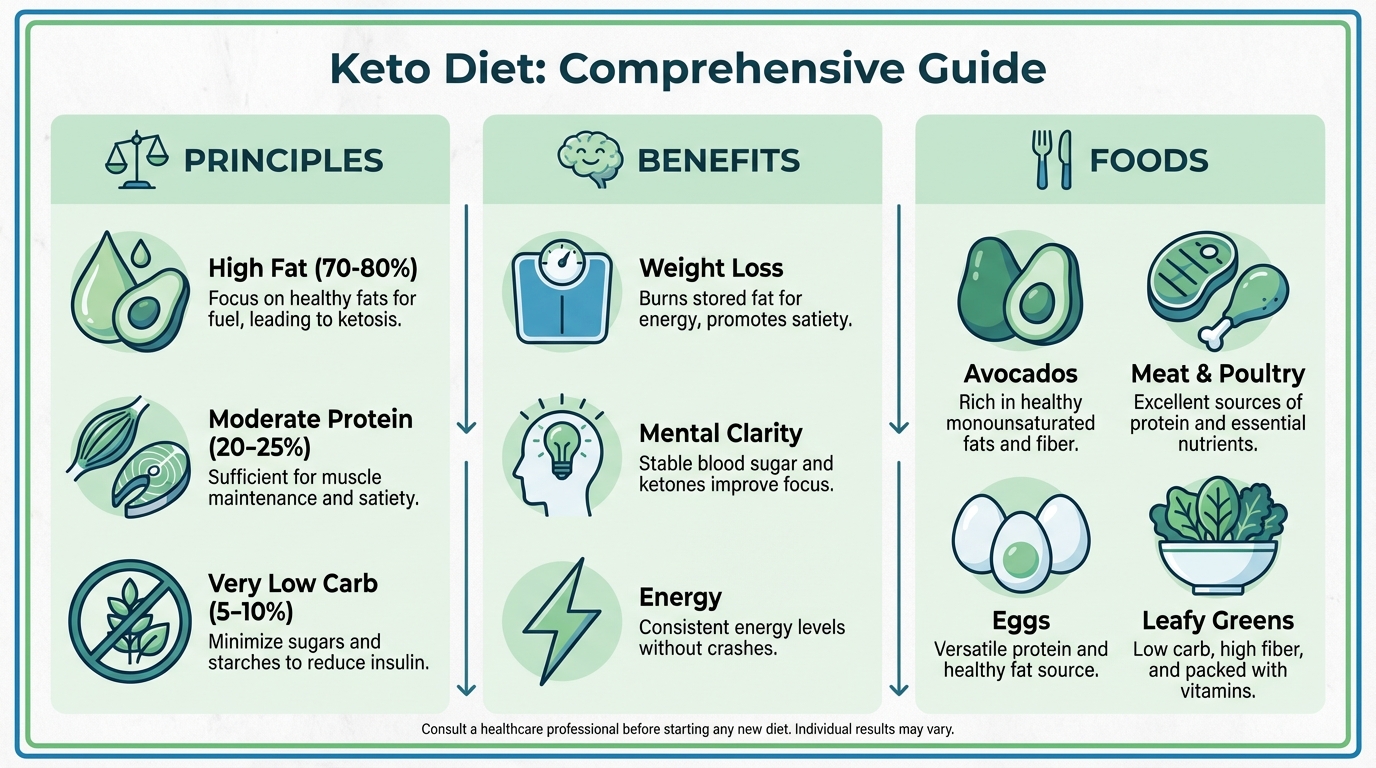
Unlike conventional diets that simply restrict calories, the ketogenic diet operates on a metabolic level by changing how your body produces energy. When you significantly reduce carbohydrate intake to approximately 20-50 grams daily, your body exhausts its glucose reserves and begins converting fat into ketones in the liver Ketogenic Diet Basics. This metabolic state, called nutritional ketosis, becomes your body’s new efficient energy pathway.
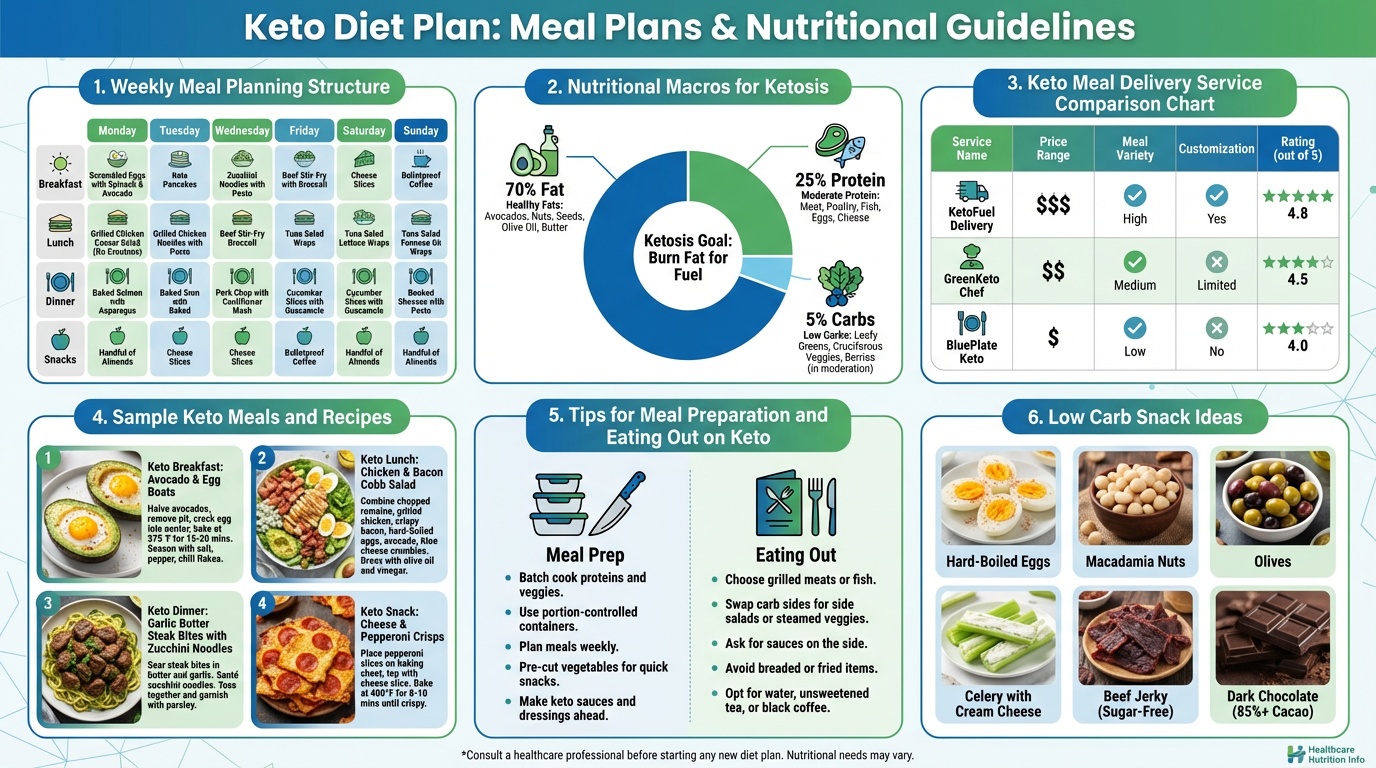
The standard ketogenic diet follows a specific macronutrient breakdown: roughly 70-75% of calories from fat, 20-25% from protein, and only 5-10% from carbohydrates Harvard T.H. Chan School of Public Health. This ratio differs dramatically from the typical American diet, which derives 50% or more of calories from carbohydrates. Understanding this fundamental shift is crucial because it determines every food choice you make on the keto diet.
The body enters ketosis within 2-7 days of drastically reducing carbohydrates, though achieving full nutritional ketosis typically takes 1-2 weeks Johns Hopkins Medicine. During this transition, you might experience what many call the “keto flu,” temporary symptoms including fatigue, headaches, and irritability as your body adapts. Staying hydrated and ensuring adequate electrolyte intake helps minimize these adjustment symptoms.
Building Your Weekly Keto Meal Plan
A successful keto meal plan balances variety, nutrition, and practicality. The goal isn’t just reaching ketosis—it’s maintaining it sustainably while meeting your body’s nutritional needs and keeping meals enjoyable enough to continue long-term.
Day 1: Launching Your Keto Journey
Breakfast sets the tone for your first day. Consider three eggs scrambled with butter, topped with one ounce of cheddar cheese and half an avocado, providing approximately 6 grams of net carbs. This combination delivers essential fats, proteins, and nutrients while keeping carbohydrates minimal. Net carbs total subtract fiber from total carbohydrates, giving you the actual impact on blood sugar.
Lunch on day one might feature a grilled chicken salad with mixed greens, cucumber, cherry tomatoes, blue cheese crumbles, and olive oil dressing. This meal exemplifies keto principles: high protein, generous healthy fats, and minimal carbs from vegetables. The healthy fats from olive oil and blue cheese enhance satiety and nutrient absorption.
Dinner could include pan-seared salmon with roasted asparagus and a side of cauliflower mash prepared with heavy cream and butter. Salmon provides omega-3 fatty acids essential for brain health and reducing inflammation, while asparagus offers fiber and antioxidants. The fats from both the fish and added butter keep you satisfied while maintaining your macronutrient ratios.
Snacks throughout the day might include a small handful of macadamia nuts (approximately 3 grams net carbs) or cheese crisps made by baking cheese until golden and crispy.
Day 2: Expanding Your Repertoire
Breakfast evolves to include bacon and eggs with sautéed spinach cooked in garlic butter. The iron and folate from spinach support energy production, while bacon adds fat and flavor that makes this breakfast satisfying. Eggs provide choline, essential for brain health and metabolism.
For lunch, consider tuna salad made with mayonnaise, diced celery, and pickles, served atop a bed of romaine lettuce with slices of cucumber. This no-cook meal proves that keto eating doesn’t require extensive preparation. The omega-3s from tuna support cardiovascular health, while the healthy fats from mayonnaise provide sustained energy.
Dinner introduces beef stir-fry using thinly sliced ribeye cooked with broccoli, bell peppers, and mushrooms in sesame oil. Keeping the portion of vegetables moderate (about 2 cups total) maintains low net carbs while providing vitamins and fiber. The high-quality protein and fat from ribeye make this meal particularly satisfying.
Day 3: Embracing Variety
Switch to overnight chia pudding made with unsweetened almond milk, chia seeds, and a sugar-free sweetener for breakfast. Chia seeds absorb liquid and create a pudding texture while providing omega-3 fatty acids and fiber. This make-ahead breakfast saves morning time while delivering nutrition.
Lunch might feature a Cobb salad with grilled chicken, bacon, avocado, hard-boiled eggs, and blue cheese over mixed greens with ranch dressing. This iconic keto-friendly salad demonstrates how restaurant-style meals translate to home preparation with appropriate modifications.
For dinner, try baking whole chicken thighs with skin, served with roasted Brussels sprouts cooked in bacon fat. The skin-on chicken provides crispy texture and additional fat, while Brussels sprouts offer fiber and vitamin K. Cooking them in bacon fat adds flavor and further increases fat content.
Day 4: Mid-Week Protein Focus
Breakfast could be a keto-friendly smoothie blending unsweetened almond milk, protein powder, MCT oil, spinach, and a few frozen berries. MCT oil (medium-chain triglycerides) converts quickly to ketones, potentially enhancing the metabolic benefits of keto eating. The protein powder ensures adequate protein intake, particularly important for maintaining muscle mass.
Lunch introduces shrimp cocktails with homemade cocktail sauce (sugar-free ketchup and horseradish) and steamed broccoli with butter. This elegant low-carb meal comes together quickly and provides lean protein with minimal carbohydrates.
Dinner might feature pork chops cooked in a cream sauce with sautéed mushrooms and spinach. The combination of fatty pork, creamy sauce, and nutrient-dense vegetables creates a complete meal that satisfies hunger while maintaining keto ratios.
Day 5: Vegetarian Keto Options
Breakfast could be avocado halves topped with Everything Bagel seasoning and cream cheese, served with a side of bacon. This combination provides healthy fats from avocado while adding protein and fat from cream cheese and bacon.
Lunch might feature cauliflower crust pizza topped with mozzarella, pepperoni, and olives. Cauliflower crust has become a keto staple, providing the pizza experience with significantly fewer carbohydrates than traditional crust. Adding generous toppings ensures adequate fat intake.
Dinner introduces zucchini noodles with pesto sauce and grilled chicken. Using a spiralizer to create zucchini “noodles” dramatically reduces carbohydrate intake compared to pasta while maintaining a similar texture. Homemade pesto (made with olive oil, basil, pine nuts, and cheese) provides healthy fats and vibrant flavor.
Day 6: Budget-Friendly Keto
Breakfast could be scrambled eggs with fried cheese “crisps” and sliced tomatoes. The cheese crisps (baked until crispy) add crunch and fat without carbohydrates, while tomatoes provide lycopene and vitamin C.
Lunch might feature肝酱 (liver pâté) with celery sticks and full-fat cream cheese. Organ meats like liver rank among the most nutrient-dense foods available, providing vitamin A, B vitamins, and iron. While not everyone’s favorite, liver pâté spread on celery delivers nutrition in a palatable form.
Dinner could include breakfast-for-dinner: thick-cut bacon, scrambled eggs, and sautéed kale in garlic butter. This flexible meal proves that keto eating doesn’t require elaborate recipes—simple preparations using quality ingredients work beautifully.
Day 7: Celebration Meal
Treat yourself to a steak dinner with compound butter (butter mixed with herbs and garlic), roasted asparagus, and a cauliflower gratin made with heavy cream and cheese. This indulgent meal demonstrates that keto eating can include restaurant-quality dining experiences at home.
Essential Macronutrient Guidelines
Understanding macronutrients on keto requires attention to both quantity and quality of each category. Protein intake matters more than many beginners realize—insufficient protein can lead to muscle loss, while excessive protein might potentially kick you out of ketosis through gluconeogenesis, where excess protein converts to glucose.
Most people on keto should aim for 1.2-2.0 grams of protein per kilogram of body weight, depending on activity level and goals American Journal of Clinical Nutrition. A sedentary person might need less, while those engaging in strength training or high-intensity exercise require more to support muscle maintenance and recovery.
Fat intake provides the majority of calories on keto, typically 70-80% of total intake. However, this doesn’t mean consuming unlimited fats—quality matters significantly. Prioritize monounsaturated fats from sources like olive oil, avocados, and nuts; omega-3 fatty acids from fatty fish, flaxseeds, and walnuts; and limit saturated fats while not necessarily eliminating them entirely. The relationship between saturated fat and cardiovascular health remains nuanced, with recent research suggesting context matters more than previously thought Journal of the American College of Cardiology.
Carbohydrate restriction to 20-50 grams daily requires careful attention to hidden carbs in sauces, processed foods, and even some vegetables. Tracking carbohydrate intake, particularly initially, helps identify problem areas and understand which foods fit your personal tolerance. Net carbs (total carbs minus fiber and sugar alcohols) provide the most accurate measure of carbohydrate impact.
Smart Snacking on Keto
Snacking on keto requires strategy since many conventional snack foods contain hidden carbohydrates. Understanding keto-friendly alternatives helps maintain energy levels and satisfaction between meals.
Nuts and seeds make excellent keto snacks when consumed in moderation. Macadamia nuts offer the lowest net carb content among common nuts (about 2 grams net carbs per ounce), while almonds, walnuts, and Brazil nuts also fit well within keto guidelines USDA FoodData Central. Portion control matters because nuts are calorie-dense and easy to overconsume.
Cheese provides protein and fat with minimal carbs. Hard cheeses like parmesan, cheddar, and Gouda contain less than 1 gram of net carbs per ounce, making them excellent snack choices. Creating cheese crisps by baking small piles of shredded cheese until golden adds crunch that satisfies chip cravings.
For those seeking variety, beef jerky (checking for added sugars) and pork runs provide portable protein options. Vegetable sticks with high-fat dips like guacamole or ranch dressing offer crunch and nutrition without carb overload.
Meal Delivery Services for Keto Eaters
The keto meal delivery market has expanded significantly, offering convenient options for those seeking structure without preparation time. Understanding available services helps determine whether they fit your lifestyle and goals.
Popular Keto Meal Delivery Services
Several services specialize in low-carb or keto-friendly meals. Factor offers meals designed by nutritionists with options specifically labeled for keto, typically providing 8-12 grams of net carbs per serving. Trifecta Nutrition focuses on whole-food ingredients with keto-specific plans. Green Chef provides organic ingredients with keto certification on appropriate meal options.
Evaluating Keto Meal Delivery
When comparing services, consider net carb content per meal (aiming for under 10 grams for strict keto), ingredient quality (organic, grass-fed, pasture-raised options when available), portion sizes relative to your caloric needs, and price per meal. Some services offer greater flexibility than others—Factor and Freshly provide fully prepared meals requiring only heating, while services like HelloFresh and Blue Apron offer meal kits requiring cooking.
Do Keto Meal Delivery Services Support Weight Loss?
Research suggests that structured meal programs, including delivery services, can support weight loss by eliminating decision fatigue, ensuring appropriate portions, and maintaining consistency Obesity Reviews. Keto meal delivery specifically removes the challenge of designing keto-compliant meals, potentially improving adherence for busy individuals. However, results depend on selecting appropriate calorie levels and maintaining the service consistently rather than reverting to old eating patterns on “off days.”
Eating Out on Keto: Practical Strategies
Navigating restaurants while maintaining ketosis requires knowledge and strategy, but dining out remains entirely possible and enjoyable on keto.
Restaurant Selection and Ordering
Steakhouses, seafood restaurants, and burger joints typically offer the most keto-friendly options. At steakhouses, focus on protein selections with low-carb sides, requesting substitutions like vegetables instead of potatoes or rice. Seafood restaurants often provide simply prepared fish with butter or olive oil-based sauces. Burger restaurants allow customization—skip the bun, add avocado or bacon, and consider cheese.
Appetizer and Side Strategies
Start meals with cheese boards, shrimp cocktail, or other appetizers that align with keto principles. Request modifications to sides, asking for extra vegetables instead of fries or rice. Most restaurants accommodate reasonable requests, particularly when approached politely.
Alcohol on Keto
If consuming alcohol, choose options with minimal carbohydrates: dry wines (approximately 0-2 grams carbs per 5-ounce serving), spirits (0 grams carbs per 1.5-ounce serving), and light beers (approximately 2-3 grams carbs). However, alcohol metabolism on keto requires caution—alcohol can impair ketone production and may cause more intense intoxication on an empty stomach.
Meal Prep Strategies for Keto Success
Batch cooking and meal preparation dramatically improve keto adherence by reducing daily decision-making and ensuring compliant meals are always available.
Weekly Prep Framework
Dedicate 2-3 hours on a weekend day to prepare components used throughout the week. Cook several pounds of protein (chicken thighs, ground beef, salmon fillets) that can be combined with different vegetables and fats for varied meals. Prepare vegetable bases like roasted cauliflower, chopped salad greens, and pre-washed vegetables. Make sauces and dressings in advance, storing them in airtight containers.
Storage and Safety
Proper food storage extends prepped meal viability. Cooked proteins remain safe in the refrigerator for 3-4 days, while most prepared meals last 4-5 days. Investing in quality meal prep containers (glass with secure lids preferred) makes transportation and storage easier. Label containers with preparation dates to track freshness.
Quick Assembly Meals
Having prepped components enables “construction” meals requiring minimal cooking: salads topped with pre-cooked protein, lettuce wraps filled with seasoned ground meat, or vegetable bowls combining roasted elements with fresh additions. These assembly meals take 5-10 minutes, eliminating the temptation to reach for convenience foods.
Troubleshooting Common Keto Challenges
Plateau Management
Weight loss plateaus often occur after initial rapid loss as the body adapts. Strategies include intermittent fasting to enhance ketone production, cycling carbohydrates (periodic higher-carb days to reset hormones), adjusting protein intake based on individual response, or increasing physical activity to improve insulin sensitivity.
Keto Flu and Adaptation
The transition period often brings symptoms collectively called “keto flu.” Ensuring adequate sodium intake (3-5 grams daily initially), potassium supplementation through foods like avocado and leafy greens, and magnesium through nuts and seeds or supplements eases this transition. Staying well-hydrated helps your body process the water released as glycogen stores deplete.
Social Situations
Family gatherings, work events, and social occasions present challenges but don’t require abandoning keto. Eating a small keto-friendly meal before events reduces pressure to eat inappropriate foods. At events, focus on protein and vegetable options, avoiding bread bowls, pasta dishes, and dessert. Most hosts appreciate guests who eat heartily from available keto options rather than making the diet a focal point of conversation.
Advanced Keto Strategies
Tracking and Optimization
Using apps like Cronometer, CarbManager, or MyFitnessPal helps identify patterns in how different foods affect your individual ketosis. Tracking ketone levels through breath (BHB meters), blood (gold standard), or urine (less accurate but useful initially) provides feedback on dietary effectiveness. Over time, many keto practitioners develop intuitive understanding of their body’s responses without extensive tracking.
Intermittent Fasting Integration
Combining keto with intermittent fasting accelerates metabolic benefits for many practitioners. The 16:8 approach (eating within an 8-hour window, fasting for 16 hours) aligns well with keto since fat and protein intake during eating windows maintains satiety through fasting periods. Starting with a 12-hour overnight fast and gradually extending the fasting window works well for beginners.
Exercise Considerations
Physical activity on keto requires adjustment, particularly initially. During the adaptation period (4-6 weeks), performance may suffer as the body learns to burn fat efficiently. After adaptation, many report improved endurance and more stable energy levels. Consuming small amounts of MCT oil or exogenous ketones before intense exercise can support performance during the transition period.
Frequently Asked Questions
How quickly will I enter ketosis?
Most people enter ketosis within 2-7 days of reducing carbohydrates to under 50 grams daily, though reaching full nutritional ketosis with stable ketone levels typically takes 1-2 weeks. Factors affecting this timeline include previous carbohydrate intake, activity level, stress, sleep quality, and individual metabolism.
Do I need to count calories on keto?
While keto naturally reduces appetite for many people, calorie awareness still matters for weight loss. Some individuals can lose weight without counting calories, particularly initially, but sustained weight management often benefits from periodic calorie tracking to ensure appropriate intake.
What can I eat at fast food restaurants on keto?
Fast food options include bunless burgers (requesting lettuce wrap or no bun), grilled chicken salads without croutons, cheeseburgers without buns, and hot dogs without buns. Check nutrition information online before visiting, as chains vary significantly in carbohydrate content of sauces and toppings.
How much weight will I lose in the first month?
Initial weight loss often includes significant water weight (5-10 pounds or more) as glycogen stores deplete. After this initial phase, rate depends on individual factors including starting weight, calorie deficit, activity level, and metabolic health. Average loss of 1-2 pounds weekly is sustainable and healthy.
Can I drink coffee on keto?
Black coffee contains minimal carbohydrates and may support ketosis through mild appetite suppression. Adding heavy cream or MCT oil keeps carbohydrates minimal while adding fat. Avoid sugar, flavored syrups, and most milk alternatives (which often contain carbs).
Sources
Ketogenic Diet Basics – NCBI Bookshelf
Ketogenic Diet Review – Harvard T.H. Chan School of Public Health
Johns Hopkins Medicine – Ketogenic Diet
Protein Requirements on Keto – American Journal of Clinical Nutrition
Saturated Fat Research – Journal of the American College of Cardiology
USDA FoodData Central – Nuts and Seeds
Meal Delivery Services and Weight Loss – Obesity Reviews